
 EN
EN
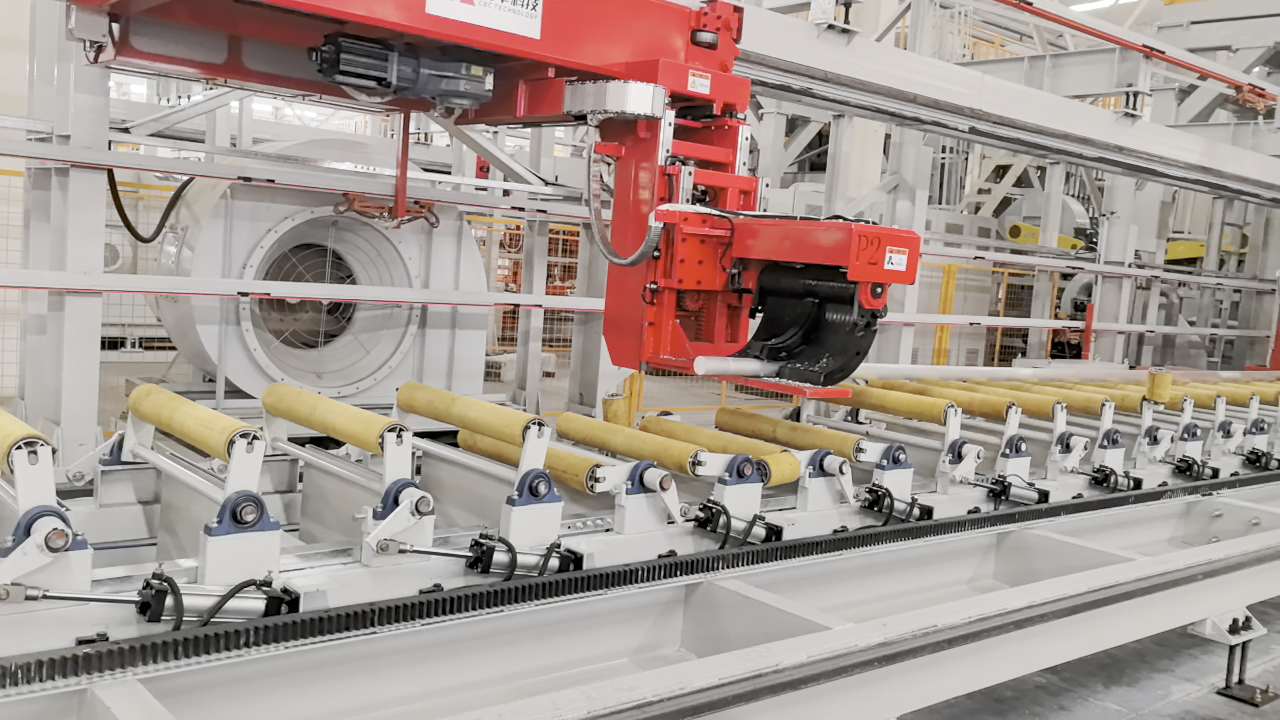
एल्यूमीनियम एक्सट्रूज़न में आयामी शुद्धता के लिए डाई डिज़ाइन का अनुकूलन
भविष्यवाणी आधारित सहिष्णुता नियंत्रण के लिए CAD-आधारित डाई मॉडलिंग और FEA मान्यता
आजकल, अधिकांश एल्यूमीनियम एक्सट्रूज़न प्रक्रियाएँ माइक्रोन स्तर पर उन अत्यंत कठोर सहिष्णुताओं को प्राप्त करने के लिए डाई बनाने के लिए कंप्यूटर-सहायित डिज़ाइन (CAD) पर भारी निर्भरता रखती हैं। इन प्रक्रियाओं के पीछे के इंजीनियर आमतौर पर जिन्हें 'फाइनाइट एलिमेंट एनालिसिस' (FEA) सिमुलेशन कहा जाता है, उनका संचालन करते हैं। ये सिमुलेशन उन्हें यह देखने में सहायता करते हैं कि प्रसंस्करण के दौरान सामग्रियाँ वास्तव में कैसे व्यवहार करेंगी — जैसे कि तनाव कहाँ संचित हो सकता है, ऊष्मा सभी को कैसे प्रभावित करती है, और वे छोटी-छोटी प्रसार संबंधी समस्याएँ जिनके बारे में हमेशा चिंता बनी रहती है। इस पूरी प्रक्रिया की मूल्यवानता इसमें है कि यह जटिल आकृतियों में समस्याग्रस्त क्षेत्रों का पता लगाती है, जिससे कि कोई वास्तविक भाग बनाना शुरू करने से काफी पहले ही उन्हें सुधारा जा सके। इससे निर्माता अपनी डाई के विशिष्ट पहलुओं — जैसे बेयरिंग की लंबाई को समायोजित करना या पोर्ट्स और लैंड्स के आकार को बदलना — में सुधार कर सकते हैं। जब कठिन मिश्र धातुओं का सामना करना होता है, जो आकार देने के बाद वापस झुकने (स्प्रिंगबैक) की प्रवृत्ति रखती हैं, तो ये सिमुलेशन और भी अधिक महत्वपूर्ण हो जाते हैं। ये कंपनियों को इन अवांछित विरूपणों की पूर्व-क्षतिपूर्ति करने की अनुमति देते हैं, जिससे एयरोस्पेस उद्योग के अत्यंत कठोर विनिर्देशों (लगभग ±0.1 मिमी) को पूरे उत्पादन चक्र के दौरान सुसंगत रखा जा सके। पिछले वर्ष अंतर्राष्ट्रीय जर्नल ऑफ मैटेरियल फॉर्मिंग में प्रकाशित कुछ शोध के अनुसार, यह डिजिटल दृष्टिकोण वास्तविक परीक्षण चक्रों को लगभग चालीस प्रतिशत तक कम कर देता है, जिससे समय और धन दोनों की बचत होती है।
दीवार की मोटाई में भिन्नता को कम करने के लिए सामग्री प्रवाह सममिति और भूमि लंबाई का अनुकूलन
एकसमान दीवार की मोटाई प्राप्त करना वास्तव में इस बात पर निर्भर करता है कि गर्म पिघला हुआ एल्यूमीनियम डाई के कोष्ठ में कितनी समान रूप से प्रवाहित हो रहा है। इंजीनियर उन भूमि लंबाई अनुपातों को समायोजित करने में कड़ी मेहनत करते हैं, जो प्रोफाइल के विभिन्न खंडों से होकर गुजरते समय पिघले हुए एल्यूमीनियम को वास्तव में मार्गदर्शन प्रदान करते हैं। खोखले आकारों या बहु-खोखले आकारों के साथ काम करते समय, हम आमतौर पर ठोस खंडों की तुलना में उन भूमि लंबाइयों को लगभग 15 से 30 प्रतिशत अधिक लंबा कर देते हैं। इससे केंद्र में तीव्र प्रवाह को धीमा किया जाता है और वे कमजोर स्थान मजबूत होते हैं, जहाँ संधि रेखाएँ (वेल्ड लाइन्स) बन सकती हैं। इसी समय, तापीय निगरानी बिलेट के तापमान को ट्रैक करती रहती है, ताकि वे 480 से 500 डिग्री सेल्सियस के बीच के 'स्वीट स्पॉट' से लगभग 5 डिग्री सेल्सियस के भीतर बने रहें। ये सभी छोटे-छोटे समायोजन मिलकर दीवार की मोटाई में भिन्नता को 3% से कम कर सकते हैं, जो आजकल वास्तुकारों द्वारा हमारे सामने रखे जा रहे जटिल आकारों को देखते हुए काफी शानदार प्रदर्शन है।
एल्यूमीनियम एक्सट्रूज़न प्रक्रिया में सटीक तापमान प्रबंधन
तापमान की स्थिरता एल्युमीनियम एक्सट्रूज़न प्रक्रियाओं के दौरान आयामों की सटीकता को निर्धारित करने में महत्वपूर्ण भूमिका निभाती है। जब हम बिलेट और डाई के तापमान को देखते हैं, तो ये दोनों कार्य किए जा रहे पदार्थ के प्रवाह प्रतिबल और श्यानता पर सीधा प्रभाव डालते हैं। तापमान में परिवर्तन को लगभग ±5 डिग्री सेल्सियस के भीतर बनाए रखने से उन अप्रिय प्रोफाइल विकृतियों को रोका जा सकता है, क्योंकि इससे धातु का समान रूप से विरूपण सुनिश्चित होता है। हालाँकि, यदि तापमान इस सीमा से बाहर चला जाता है, तो कुछ हालिया शोध निष्कर्षों के अनुसार, त्रुटि दर लगभग 18 प्रतिशत तक बढ़ जाती है, जो 2023 में 'इंटरनेशनल जर्नल ऑफ मैटेरियल फॉर्मिंग' में प्रकाशित किए गए थे। FEA के माध्यम से कंप्यूटर मॉडलिंग ने दिखाया है कि डाई को लगभग 450 से 480 डिग्री सेल्सियस के बीच गर्म करना सबसे अच्छा परिणाम देता है, जो उपयोग किए जा रहे मिश्र धातु के प्रकार के आधार पर समायोजित किया जाना चाहिए। यह दृष्टिकोण प्रवाह सममिति को बेहतर बनाता है, जो विशेष रूप से उन जटिल पतली दीवार वाले प्रोफाइलों को बिना किसी दोष के बनाने के लिए महत्वपूर्ण है।
प्रवाह प्रतिबल को स्थिर करने और प्रोफ़ाइल विकृति को कम करने के लिए बिलेट और डाई के तापमान का नियंत्रण
सटीकता प्राप्त करना शुरू होता है उन बिलेट्स को 480 से 520 डिग्री सेल्सियस के बीच गर्म करने से, जो 6xxx श्रृंखला मिश्र धातुओं के लिए आवश्यक है—यह हम उपकरण में अंतर्निर्मित छोटे-छोटे तापमान सेंसर्स का उपयोग करके जाँचते हैं। वास्तविक उत्पादन चलाने के दौरान, हम इन्फ्रारेड कैमरों के माध्यम से डाइज़ पर निकटता से नज़र रखते हैं। जब भी हम कोई तापमान उतार-चढ़ाव देखते हैं, हमारी प्रणाली स्वतः ही आवश्यक स्थानों पर अतिरिक्त शीतलन सक्रिय कर देती है, ताकि सामग्री की सही स्थिरता बनी रहे। यह पूरा प्रतिक्रिया लूप जटिल प्रोफ़ाइल्स में अनावश्यक अनुप्रस्थ वेल्ड्स को रोकने में अत्यधिक प्रभावी है, जिनमें एकाधिक रिक्त स्थान होते हैं। यह सतहों के फटने को भी रोकता है जब कोई स्थान अत्यधिक गर्म हो जाता है, और डाई के माध्यम से असमान सामग्री प्रवाह के कारण अनुभागों में होने वाले विरूपण के प्रभाव को भी टालता है।
अवशिष्ट प्रतिबल को कम करने और आयामिक अखंडता को बनाए रखने के लिए नियंत्रित शीतलन रणनीतियाँ
पोस्ट-एक्सट्रूज़न शीतन के दौरान सही संतुलन प्राप्त करना सामग्रियों में तनाव के निर्माण को रोकने के लिए वास्तव में महत्वपूर्ण है। इस प्रक्रिया को वस्तुओं को तेज़ी से ठंडा करने की आवश्यकता होती है, लेकिन यह भी आवश्यक है कि सामग्री की सतह पर गर्म स्थानों के निर्माण को नियंत्रित किया जाए, जिससे उन तापमान परिवर्तनों को लगभग प्रति सेकंड १५ डिग्री सेल्सियस से कम रखा जा सके। वायु-जल की धुंध (एयर-वॉटर मिस्ट) प्रणालियाँ इस कार्य के लिए काफी प्रभावी होती हैं, जो खींचने के बाद सीधा करने की आवश्यकता को लगभग ४० प्रतिशत तक कम कर देती हैं, जबकि अंतरिक्ष उद्योग के कठोर मानकों को भी पूरा करती हैं, जहाँ सीधापन प्रति मीटर आधे मिलीमीटर के भीतर होना आवश्यक है। यहाँ भी कई प्रमुख कारकों पर ध्यान देने की आवश्यकता होती है। सबसे पहले, निकास के तीन सेकंड के भीतर शमन (क्वेंचिंग) शुरू करना सब कुछ बदल सकता है। फिर, विभिन्न भागों के शीतन की तीव्रता को नियंत्रित करना है, और अंत में, उन उन्नत अस्पर्श पाइरोमीटर्स का उपयोग करके तापमान में गिरावट की निगरानी करना है जो मापी जा रही वस्तु को स्पर्श नहीं करते हैं।
उच्च-परिशुद्धता वाले एल्यूमीनियम एक्सट्रूज़न के लिए मज़बूत गुणवत्ता आश्वासन
एसपीसी-संचालित मेट्रोलॉजी और एयरोस्पेस-ग्रेड सहनशीलता के लिए वास्तविक समय निगरानी
±0.05 मिमी के तंग एयरोस्पेस टॉलरेंस को बनाए रखने के लिए उद्योग के मानकों के अनुरूप गुणवत्ता नियंत्रण प्रणालियों की आवश्यकता होती है। अधिकांश वर्कशॉप्स महत्वपूर्ण मापों—जैसे दीवार की मोटाई, कोनों की त्रिज्या और सीधापन—की निगरानी के लिए सांख्यिकीय प्रक्रिया नियंत्रण (SPC) का उपयोग करती हैं, जो कड़े AS9100-D विशिष्टताओं के अनुरूप होते हैं। आधुनिक विनिर्माण लाइनों में अब वास्तविक समय के लेज़र स्कैनर और ऑप्टिकल CMMs को शामिल किया गया है, जो भागों के निर्माण के दौरान ही आयामी समस्याओं का पता लगाते हैं, जिससे तकनीशियन समस्याओं को तुरंत ठीक कर सकते हैं, बजाय उत्पादन के बाद प्रतीक्षा करने के। उपकरण में अंतर्निहित तापीय सेंसर भी शमन (क्वेंचिंग) दरों में परिवर्तनों की निगरानी करते हैं और जब भी कुछ गलत दिशा में जाने लगता है, तो चेतावनी के संकेत देते हैं—इससे अवशेष तनाव के जमा होने और विरूपण के कारण बनने से पहले ही समय रहते हस्तक्षेप किया जा सकता है। 2023 में 'जर्नल ऑफ एडवांस्ड मैन्युफैक्चरिंग' में प्रकाशित एक हालिया अध्ययन के अनुसार, AS9100 के तहत प्रमाणित उन सुविधाओं में से 80% से अधिक जो स्वचालित SPC प्रणालियों को लागू करती हैं, उन्होंने कच्चे सामग्री के अपव्यय में स्पष्ट कमी देखी है। यह निरंतर प्रतिपुष्टि लूप घटकों के संचालन के दौरान भारी संरचनात्मक भार का सामना करने पर भी निरंतर आयामों को बनाए रखने के लिए अमूल्य सिद्ध होता है।
एल्यूमीनियम एक्सट्रूज़न में परिशुद्धता को बनाए रखने के लिए रणनीतिक सामग्री और टूलिंग निर्णय
मिश्र धातु चयन (6061 बनाम 7075) और इसका ताप-यांत्रिक स्थायित्व तथा सहनशीलता क्षमता पर प्रभाव
जब एक्सट्रूज़न प्रक्रियाओं के दौरान और उसके बाद वस्तुओं का तापीय और यांत्रिक व्यवहार निर्धारित करना होता है, तो चुने गए सामग्री का चयन सबसे महत्वपूर्ण कारक होता है। उदाहरण के लिए, मिश्र धातु 6061 को लें। यह मिश्र धातु एक्सट्रूज़न के तहत बहुत अच्छा प्रदर्शन करती है, क्योंकि इसके लिए समग्र रूप से कम दबाव की आवश्यकता होती है। इसका अर्थ है कि डाई (मॉल्ड) कम विक्षेपित होती हैं और उत्पादन चक्र के दौरान दीवारों की मोटाई स्थिर रहती है। इसका एक और लाभ? 6061 का कम प्रवाह प्रतिबल (फ्लो स्ट्रेस) शीतन (क्वेंचिंग) के दौरान होने वाले उन अप्रिय विरूपणों को कम करने में सहायता करता है, जिससे आयामी नियंत्रण को नियंत्रित करना काफी आसान हो जाता है। उन भागों के लिए, जिन्हें कड़ी सहिष्णुता (टॉलरेंस) की आवश्यकता होती है लेकिन जो संरचनात्मक घटक नहीं हैं, यह मिश्र धातु मूल रूप से आदर्श है, क्योंकि इसके प्रसंस्करण के बाद इतने अधिक अतिरिक्त चरणों की आवश्यकता नहीं होती है। दूसरी ओर, मिश्र धातु 7075 भार के सापेक्ष बहुत उत्तम ताकत प्रदान करती है, जिसी कारण यह एयरोस्पेस निर्माण में बहुत लोकप्रिय है। लेकिन इसमें एक समस्या भी है। 7075 के साथ काम करने के लिए तापमान नियंत्रण का सख्ती से पालन करना आवश्यक है, क्योंकि यह शीतन की स्थितियों के प्रति अत्यधिक संवेदनशील है। यदि ठंडा करना बिल्कुल सही नहीं है, तो प्रोफाइल प्रति मीटर लंबाई में 0.5 मिमी से अधिक विकृत हो सकते हैं। और फिर अवक्षेपण कठोरीकरण (प्रिसिपिटेशन हार्डनिंग) के दौरान सिकुड़न की समस्या भी है, जो आमतौर पर 0.1% से 0.15% के बीच होती है। ऐसी अस्थिरता 0.1 मिमी से कम की अत्यंत कड़ी सहिष्णुता प्राप्त करने को लगभग असंभव बना देती है, जब तक कि प्रमुख समायोजन नहीं किए जाएँ। अधिकांश इंजीनियर 6061 का चयन तब करते हैं जब वे बैचों के आर-पार भरोसेमंद परिणाम और स्थिर आयाम चाहते हैं। वे 7075 को उन परिस्थितियों के लिए सुरक्षित रखते हैं जहाँ घटकों को गंभीर तनाव का सामना करना होगा और जहाँ आयु बढ़ने की प्रक्रियाओं से होने वाले आयामी परिवर्तनों को संभालने के लिए पर्याप्त मशीनिंग सहिष्णुता पहले से ही निर्मित की गई हो।
सामान्य प्रश्न अनुभाग
कंप्यूटर-सहायित डिज़ाइन (CAD) एल्युमीनियम एक्सट्रूज़न में क्यों महत्वपूर्ण है?
CAD उन सटीक डाई डिज़ाइनों के विकास के लिए अत्यंत महत्वपूर्ण है जो माइक्रोन स्तर पर कड़ी सहिष्णुता प्राप्त करने की अनुमति देते हैं, जिससे निर्माताओं को वास्तविक उत्पादन से पहले एक्सट्रूज़न प्रक्रिया का अनुकरण और अनुकूलन करने की सुविधा मिलती है।
परिमित तत्व विश्लेषण (FEA) एल्युमीनियम एक्सट्रूज़न में क्या भूमिका निभाता है?
FEA अनुकरण एक्सट्रूज़न के दौरान सामग्री के व्यवहार की भविष्यवाणी करते हैं, जिससे इंजीनियरों को तनाव बिंदुओं, तापीय प्रभावों और प्रसार संबंधी समस्याओं की पहचान करने में सक्षम बनाया जाता है, और इस प्रकार डाई डिज़ाइन में समायोजन करने की अनुमति मिलती है ताकि आकारों के स्थिर रखे जा सकें।
एल्युमीनियम एक्सट्रूज़न प्रक्रिया में तापमान प्रबंधन क्यों महत्वपूर्ण है?
नियंत्रित तापमान प्रोफाइल विकृतियों को कम करते हैं, क्योंकि यह सामग्री के समान विरूपण को सुनिश्चित करता है, जिससे अंतिम उत्पाद में त्रुटियों और दोषों को न्यूनतम किया जा सकता है।
एक्सट्रूज़न प्रक्रियाओं में मिश्र धातु 6061 को मिश्र धातु 7075 की तुलना में क्यों चुना जाता है?
मिश्र धातु 6061 आसान आयामी नियंत्रण प्रदान करता है, एक्सट्रूज़न के दौरान कम दबाव की आवश्यकता होती है, और पोस्ट-प्रोसेसिंग जटिलताओं को कम करता है, जबकि मिश्र धातु 7075 को मांग वाले एयरोस्पेस अनुप्रयोगों में उच्च शक्ति-से-वजन अनुपात के लिए पसंद किया जाता है।
सामग्री की तालिका
- एल्यूमीनियम एक्सट्रूज़न में आयामी शुद्धता के लिए डाई डिज़ाइन का अनुकूलन
- एल्यूमीनियम एक्सट्रूज़न प्रक्रिया में सटीक तापमान प्रबंधन
- उच्च-परिशुद्धता वाले एल्यूमीनियम एक्सट्रूज़न के लिए मज़बूत गुणवत्ता आश्वासन
- एल्यूमीनियम एक्सट्रूज़न में परिशुद्धता को बनाए रखने के लिए रणनीतिक सामग्री और टूलिंग निर्णय
-
सामान्य प्रश्न अनुभाग
- कंप्यूटर-सहायित डिज़ाइन (CAD) एल्युमीनियम एक्सट्रूज़न में क्यों महत्वपूर्ण है?
- परिमित तत्व विश्लेषण (FEA) एल्युमीनियम एक्सट्रूज़न में क्या भूमिका निभाता है?
- एल्युमीनियम एक्सट्रूज़न प्रक्रिया में तापमान प्रबंधन क्यों महत्वपूर्ण है?
- एक्सट्रूज़न प्रक्रियाओं में मिश्र धातु 6061 को मिश्र धातु 7075 की तुलना में क्यों चुना जाता है?