
 EN
EN
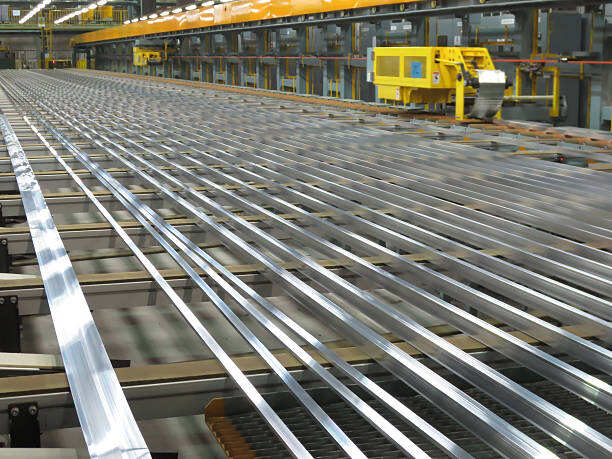
Strategic Aluminium Profile Selection for Total Cost of Ownership Reduction
Standardized vs. custom aluminium profiles: weighing tooling investment against assembly, logistics, and scalability benefits
Standard profiles come ready to go right out of the box without any tooling fees upfront, which makes them great for small runs or when testing new designs. Custom profiles tell a different story though they require an initial investment in dies but pay off big time down the road. When manufacturers put effort into designing these custom parts properly, they can cut down on assembly work by around 30%. Think about how snap fits, built-in mounting points, and alignment guides eliminate all those extra steps like welding, drilling holes, and adding fasteners manually. From a logistics standpoint, companies have seen their packing space increase while shipping weights drop by roughly 15% when switching from multiple component assemblies to single piece solutions. What really matters for many businesses is what happens after the tooling costs get spread out over time. Modular frame systems let factories expand production lines without having to start from scratch every time there's growth needed. Looking at actual numbers from break even calculations, most custom profile projects start becoming cost effective somewhere around 5,000 units produced. That math works particularly well for manufacturers running mid size to large scale operations where volume justifies the initial expense.
Maximizing material yield and minimizing scrap through intelligent billet allocation and nesting optimization
Getting better at extrusion processes helps cut down production costs quite a bit, especially when it comes to how much material gets used. Smart software now can arrange profiles inside standard length billets so well that companies get between 92 and 96 percent utilization from their raw materials. That means less need for new aluminum and fewer costs associated with recycling scrap metal later on. Good die design plays a big role too. Symmetrical shapes let parts fit together more tightly in the billet space. Keeping walls about 1.5 to 5 millimeters thick (depending on what kind of alloy we're working with and what the part needs to do) makes sure everything flows smoothly through the extruder and speeds things up. Adding those small draft angles of 1 to 3 degrees also matters because they stop parts from warping when separated and help dies last longer. Monitoring the actual process while it happens adjusting things like ram speed, heat levels, and pressure settings helps catch problems before they become waste products. Combine all this with picking billets that match exactly what's needed and keeping track of yields across different presses, and top manufacturers manage to keep scrap under 3 percent most of the time. At today's prices, that translates roughly to saving around $120 per ton of material wasted.
Aluminium Extrusion Design Optimization to Lower Production Costs
Geometry-driven cost control: symmetry, uniform wall thickness, and draft angles for mold longevity and extrusion efficiency
The shape of things matters beyond just how they work—it actually affects costs too. When parts have symmetrical shapes, the metal flows better through the extrusion process. This helps keep the dies from getting stressed out, which means less wear and tear overall and fewer defects showing up in the final product. Keeping walls uniform around 1.5 to 5 mm thick makes sense for several reasons. The parts stay stable as they cool down, and manufacturers can run their machines about 15 to 30 percent faster compared to those with uneven walls. Adding draft angles between 1 and 3 degrees, particularly inside features where it counts most, really makes a difference. Parts come out smoothly from the mold, and this simple design choice can extend die life by nearly half based on what we see across the industry. All these little design considerations combined cut down on waste by more than 20 percent and boost the number of good parts made on the first try. Manufacturers notice real improvements in production speed, quality consistency, and ultimately what they pay per meter produced.
Solid, semi-hollow, and hollow section trade-offs: balancing tooling complexity, extrusion speed, and structural performance
Section type fundamentally shapes both economics and performance. The choice hinges on volume, load requirements, and weight targets:
| Section Type | Tooling Complexity | Extrusion Speed | Weight Efficiency | Best Application |
|---|---|---|---|---|
| Solid | Low | 30–40 m/min | Low | High-stress components |
| Semi-Hollow | Moderate | 20–30 m/min | Medium | Structural reinforcements |
| Hollow | High | 10–20 m/min | High | Weight-sensitive designs |
Solid sections require less tooling work and extrude really fast, but they eat up about 25 to 35 percent more material compared to those smart hollow options. Hollow profiles? They pack around 50% more strength for the same weight, which is why so many aerospace companies and electric vehicle manufacturers rely on them despite needing much more expensive tooling setups that can cost 40 to 60% extra upfront. Then there are these semi-hollow designs that sit somewhere in between. They cut down on weight by roughly 15 to 20% compared to solid parts while still maintaining decent extrusion speeds and keeping tooling costs at a reasonable level. When looking at large production runs, most manufacturers find that saving money on materials, assembly processes, and shipping logistics over time makes sense even if it means spending more initially on tools, especially when these components can do multiple functions in one piece.
Functional Integration in Aluminium Profiles to Eliminate Secondary Operations
Built-in features (channels, mounting points, snap-fits) that replace welding, drilling, and fastening — cutting labor and cycle time
When looking at ways to cut costs, the real savings don't come from the extrusion process itself, but rather what gets replaced by using it. Engineering profiles with built-in functions actually takes out whole steps in manufacturing. Take integrated cable channels for instance they eliminate the need for drilling after extrusion. Pre-formed T-slots or those tapped inserts skip right over welding and other secondary machining processes. And let's not forget about those precision snap-fit designs that do away with all sorts of fasteners, glues, or clamps altogether. Looking at industry numbers, companies report around 15 to 30 percent less labor needed and about 20% shorter cycle times overall. Waste materials drop too, sometimes as much as 12%, because extrusion adds aluminum exactly where it needs to go instead of cutting it away later. What stands out most though is how one smartly designed extruded profile can take the place of three separate parts, which means fewer items on the bill of materials, simpler inventory management, and significantly reduced chances of mistakes during assembly.
Economic Advantages of Aluminium Profiles Versus Alternative Fabrication Methods
When it comes to long term value, aluminium profiles really stand out compared to steel and other materials like wood, plastic, or those fancy CNC machined metals. Sure, the upfront cost might be a bit steeper than some options, but aluminium doesn't need all that extra treatment stuff like painting or galvanizing. According to the Material Efficiency Report from last year, this actually saves around 15 to maybe 20 percent on maintenance over time. The lighter weight too makes a big difference. At about 30% less dense than similar steel parts, it uses less fuel during transport and is much easier to handle on site. We've seen construction projects cut down labor hours by nearly a quarter when working with aluminium instead of heavier materials. Wood and plastics just can't compete in the long run since they tend to warp, rot, or get damaged by sunlight after a few years. Aluminium stays strong and stable for decades without needing replacement. Plus, almost everything gets recycled at the end of its life cycle, with around 95% of scrap going back into production which helps reduce overall costs. And let's not forget how efficient the extrusion process is compared to cutting solid blocks of metal. This gives aluminium profiles roughly 40% lower carbon footprint during manufacturing than those expensive CNC milled alternatives. That's why so many industries keep turning to aluminium for their structural needs despite what some people think about initial pricing.
FAQ
What is the advantage of using custom aluminium profiles over standard ones?
Custom aluminium profiles, while requiring an initial die investment, lead to significant reductions in assembly work (approximately 30%). They also optimize logistics by increasing packing space and reducing shipping weight by around 15%, becoming cost-effective around the production of 5,000 units.
How can better extrusion processes reduce material scrap?
Utilizing smart software and optimized die design, manufacturers can achieve 92-96% utilization of raw materials, reducing recycling costs associated with scrap metal. Techniques like keeping walls within 1.5 to 5 millimeters in thickness and incorporating small draft angles further prevent waste, resulting in a scrap percentage below 3%.
Why is aluminium preferred over other materials in structural applications?
Aluminium stands out due to its low maintenance needs and lightweight characteristics, offering around 15-20% savings on long-term maintenance costs. It is approximately 30% less dense than steel, and at the end of its life cycle, about 95% of it gets recycled efficiently, making it a sustainable choice.
Table of Contents
- Strategic Aluminium Profile Selection for Total Cost of Ownership Reduction
- Aluminium Extrusion Design Optimization to Lower Production Costs
- Functional Integration in Aluminium Profiles to Eliminate Secondary Operations
- Economic Advantages of Aluminium Profiles Versus Alternative Fabrication Methods
- FAQ