
 EN
EN
Die Development: The Critical First Step in Aluminium Extrusion
How Die Design Complexity Influences Aluminium Extrusion Lead Time
The complexity of die design stands out as the main factor affecting how long it takes to complete an extrusion project. When dealing with complex profiles like multi-void hollow shapes, asymmetrical cross sections, or parts requiring tight tolerances alongside sudden changes in wall thickness, the process gets significantly more involved. These require hours spent on CAD modeling, running flow simulations using finite element analysis, plus multiple rounds of adjustments just to get the metal flowing properly without compromising structural strength. Complex designs often take anywhere from three to five times longer to develop compared to straightforward solid profiles. And every time there's a need for revisions because of flow issues, die deformation during testing, or unexpected wear patterns, that usually adds about three to seven extra days to the timeline. Setting unrealistically strict tolerances or overlooking basic extrudability guidelines can really stretch out production schedules by around 30% when compared to standard, well-tested geometries something experienced engineers know they need to consider right at the start of any design discussion.
Fabrication, Heat Treatment, and Test Run Timelines for Extrusion Dies
After the design is locked in, manufacturers typically machine dies from H13 tool steel using CNC machines, which takes around 5 to 10 days depending on complexity. Next comes heat treatment bringing the hardness up to between 45 and 50 HRC for maximum durability when exposed to high temperatures during production. What happens next? Validation through test runs that check several key aspects: whether material flows evenly across the die, if dimensions match specs exactly, and most importantly, how good the surface looks after forming (no unwanted streaks or marks). These tests usually take 1 or 2 days per run. About 20% of dies need some fixing work afterwards, often requiring stress relief machining or tweaking those flow channels where material tends to bunch up. While this thorough testing process definitely pays off in longer lasting dies and consistent profiles, it does push back delivery times by roughly 2 to 3 weeks compared to buying ready made options from stock.
Material Readiness: Alloy Selection and Supply Chain Dependencies
Common Aluminium Alloys and Their Impact on Extrusion Scheduling
The choice of alloy really affects how we schedule extrusions, both because of how metals behave during processing and what happens after they leave the press. Take 6063 for example it flows easier under pressure so we can run it faster and have bigger temperature ranges compared to 6061. That's why most shops go with 6063 when customers need things done quickly for buildings and structures. On the flip side, stronger alloys like 7075 demand much slower ram speeds, strict temperature management, and regular checks on the dies. These factors usually add between 15 to maybe 30 percent extra time to each production cycle. Then there's 4043 which helps protect dies from wear but creates headaches if the billets aren't uniform or the furnaces aren't properly calibrated. Smart manufacturers organize their production schedules by grouping similar alloys together that work well together thermally and mechanically. This approach cuts down on machine setup time and keeps output steady across different batches without sacrificing product quality in the process.
Supply Chain Delays and Inventory Constraints for Aluminium Billets
The availability of billets continues to be the wild card when planning extrusion schedules. Companies using just-in-time inventory systems save money but run serious risks because there's barely any buffer against disruptions. A simple delay in shipping can bring entire extrusion operations to a standstill within just a few hours. Global events often throw a wrench into billet supplies these days. Think about political instability, power issues affecting smelters, or unexpected shutdowns at key production facilities around the world. We've seen this play out through drops in LME warehouse stocks and longer wait times getting materials from main suppliers. To handle these challenges, manufacturers need to get smart about their supply chains. Diversification matters a lot these days. Some companies source from multiple regions like North America, parts of Europe, and Southeast Asia instead of relying on one area. Keeping 2 to 4 weeks worth of critical alloy stock on hand is also becoming standard practice for many shops. And when market conditions look stable, locking in fixed price agreements makes sense for billet purchases. Monitoring aluminum inventory levels and keeping tabs on what suppliers are actually capable of producing helps catch potential problems early on. This kind of vigilance cuts down on surprises that might otherwise turn into major production headaches down the line.
Post-Extrusion Processing: Secondary Operations That Extend Lead Time
Anodizing, Cutting, Punching, and Deburring Workflow Bottlenecks
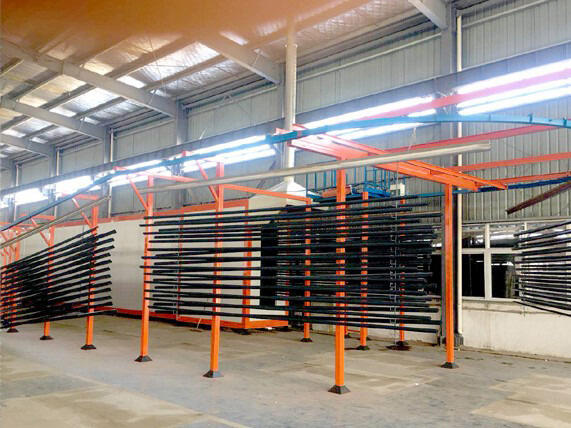
The secondary operations stage tends to be both the longest running part and the most unpredictable segment in the extrusion process timeline. Take anodizing for example it typically takes anywhere from 24 to 72 hours just for the electrolytic bath immersion, sealing process, and complete curing. Because of how batches work, smaller orders actually end up waiting much longer on a per unit basis sometimes as much as 30% extra time compared to when whole furnace loads are processed together. Mechanical finishing steps like CNC cutting, precision punching, and manual deburring face similar issues with production schedules and staff availability. For complex profile shapes, there's still no substitute for good old fashioned hand finishing since machines just can't handle certain details yet, which introduces some human element variability and naturally limits how fast things can move through the system. Smart manufacturers tackle these roadblocks by setting up parallel workflow stations alongside automated deburring cells, plus implementing MES driven scheduling systems. These improvements cut down secondary processing times significantly around 40% in many cases while making tracking easier and boosting initial product quality rates too.
Order and Operational Factors: Volume, Capacity, and Scheduling Realities
How Order Size and Mix Affect Production Sequencing and Aluminium Extrusion Lead Time
The amount of orders really affects how efficiently production works. When companies run large batches over 10,000 units, they get better use out of their presses, spread out the setup costs, and typically cut down on how long each unit takes to produce by around 15 to 30 percent according to what most industries see. On the flip side, small batch orders under 500 units eat up way more setup work than they should. Things like changing dies, adjusting temperatures, and running validation tests can take up nearly half the time needed for the whole production cycle. Manufacturing facilities dealing with mixed orders face even bigger headaches. Switching from making hollow parts to solid ones, or working with different metal types from soft to hard alloys requires recalibrating heat settings, swapping tools, and going through qualification processes again, which adds about two to four extra hours every time there's a change. Because of these challenges, plant managers constantly have to decide whether to focus on producing high volumes quickly or stay flexible enough to handle smaller, varied requests. This choice impacts not just how fast products come off the line but also whether customers actually receive them on time reliably.
Plant Utilization, Backlog Management, and Rush Order Feasibility
Keeping lead times sustainable really comes down to how well we manage our production capacity. Most plants run best around 85% utilization because it leaves room for those last minute requests and unexpected equipment issues without hurting overall efficiency too much. When utilization goes past 90%, things start getting messy. The presses get backed up, machines wear out faster from heat stress, and schedules become so rigid that quality drops off. Lead times can stretch anywhere from 20% to 50% longer, especially if there's already a three week backlog sitting around. For genuine rush jobs needing results within 72 hours, there are just some physical constraints we can't overcome. Custom tooling takes time to make and test, heat treatments need at least eight hours in the furnace, and pushing workers extra hours only gives marginal gains after about 15% more output. Good backlog handling usually means following first-in-first-out rules while keeping an eye on product expiration dates. Still, even these methods struggle when raw material supplies fluctuate unpredictably. The smartest manufacturers set aside roughly 10-15% of their pressing capability specifically for emergency work, knowing they'll sacrifice some volume in exchange for staying responsive and maintaining customer relationships.
FAQ
What factors can delay the aluminium extrusion lead time?
Complex die designs, unexpected material flow issues, and die deformation during testing can all contribute to longer lead times.
How does the choice of aluminium alloy affect production schedules?
Different alloys, like 6063 and 7075, have variable processing speeds and temperature requirements, impacting production efficiency and timelines.
Why are supply chain and inventory constraints important for extrusion scheduling?
Disruptions in the supply chain can lead to delays. A just-in-time inventory system minimizes costs but also increases risks if issues arise.
What are the challenges in post-extrusion processing?
Anodizing, cutting, punching, and deburring can create workflow bottlenecks, especially for smaller orders that wait longer in batch processing.
How does order size impact aluminium extrusion efficiency?
Larger batches optimize press utilization and reduce setup costs, while smaller orders require more frequent adjustments and validations.
Table of Contents
- Die Development: The Critical First Step in Aluminium Extrusion
- Material Readiness: Alloy Selection and Supply Chain Dependencies
- Post-Extrusion Processing: Secondary Operations That Extend Lead Time
- Order and Operational Factors: Volume, Capacity, and Scheduling Realities
-
FAQ
- What factors can delay the aluminium extrusion lead time?
- How does the choice of aluminium alloy affect production schedules?
- Why are supply chain and inventory constraints important for extrusion scheduling?
- What are the challenges in post-extrusion processing?
- How does order size impact aluminium extrusion efficiency?