
 EN
EN
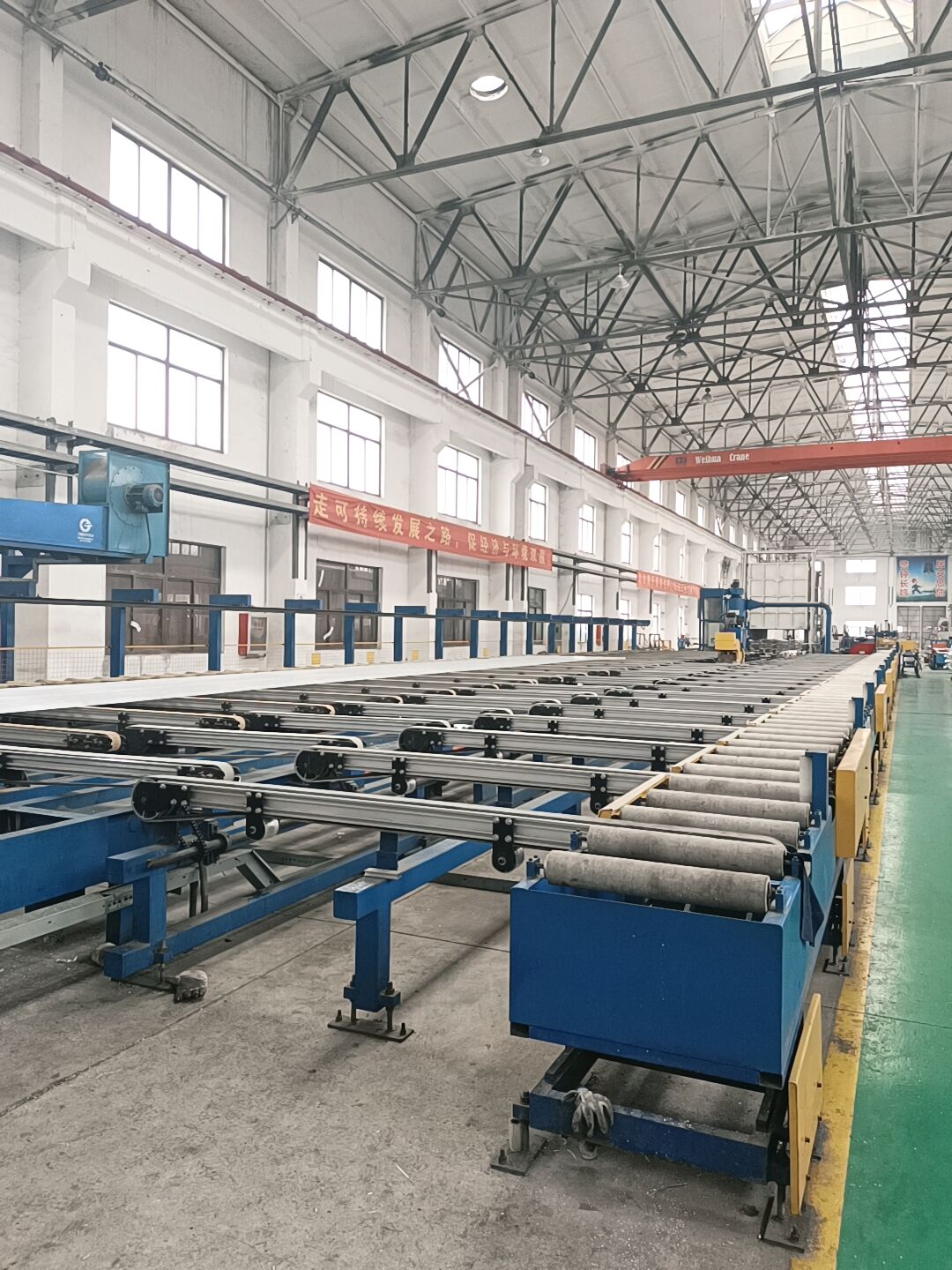
High-Precision Die Systems for Consistent Aluminium Extrusion
Die geometry, H13 steel selection, and thermal management to minimize wear and distortion
The shape and design of the die play a critical role in how aluminum flows during processing. By carefully controlling bearing lengths and creating channels that match specific profiles, manufacturers can avoid problems like inconsistent wall thickness while still making those complicated cross-sectional shapes. Most shops stick with H13 hot work tool steel because it just works better for this application. It handles heat really well, resists wearing down over time, and stays tough even when things get above 500 degrees Celsius. That means parts stay dimensionally stable after all those extrusion runs. For temperature control, modern systems integrate both cooling channels and heating elements to keep everything running around plus or minus 5 degrees from what's needed. When done right, this kind of precise temperature management cuts down on residual stress by about 40 percent and knocks surface defects down by roughly 35 percent compared to older methods without such controls. The result? Dies last significantly longer before needing replacement or repair.
Die ring, backer, and bolster integration for deflection control and extended die life
The die rings, backers and bolsters work together to contain pressure during operation. Backer components take the brunt of the force here, handling around 70% of those intense extrusion pressures which can reach between 500 to 800 MPa. Bolsters then spread out the sideways stress across the entire press frame. This helps cut down on elastic deflection by roughly 60%, which means less variation in the final product dimensions. When everything stays properly aligned, the openings maintain their shape even when loaded up, so there's no weird metal flow issues happening. The nitrided surface treatment on these rings makes them much tougher against wear and tear, working hand in hand with the already durable H13 material. All these parts combined significantly boost die life expectancy. Most shops report getting anywhere from 200 to 300 extra production cycles before needing replacements. That translates to real savings too – somewhere around $18,000 saved each year on a single extrusion line according to what top manufacturers have seen in practice.
Advanced Press Tooling That Optimizes Billet Flow in Aluminium Extrusion
Stem, dummy block, and container liner design for uniform pressure and billet integrity
Stems, dummy blocks, and container liners that are precision-engineered play a key role in maintaining billet integrity throughout the aluminium extrusion process. Stems transfer hydraulic force straight to the billet itself. Tapered dummy blocks help stop material from leaking out and ensure pressure spreads evenly across the surface. For container liners, getting the surface hardness right around 45 to 50 HRC makes all the difference. This reduces those annoying temperature spikes caused by friction which can cut oxidation risks down by about 30% according to what we've seen in practice. Dummy blocks coated with thermal management materials also help get rid of excess heat when running at high cycles. Proper alignment of these parts keeps metal flowing smoothly without creating surface cracks or internal voids. Plus, they last longer because there's less wear and tear from abrasion over time.
Digital Simulation Tools Accelerating Aluminium Extrusion Development
Finite Element Analysis (FEA) for Material Flow Prediction and Defect Prevention
Using Finite Element Analysis (FEA) really speeds up the development of aluminum extrusions because it lets engineers simulate how materials flow through dies. This helps spot problems such as seams forming or walls ending up too thin long before anyone makes actual prototypes. The software also shows where stresses build up and tracks temperature changes across different parts of the die. Based on these insights, manufacturers can tweak things like the bearing length or redesign pockets in the tooling. They can also adjust various process settings to get better results. Making these kinds of changes stops cracks from appearing in stronger alloys and reduces those annoying distortions caused by heat expansion when working with complicated profile shapes.
ROI of Simulation: Cutting Die Iterations by up to 40% and Reducing Time-to-Production
Using digital simulations makes a real difference in how fast products get developed and cuts down on costs too. Many manufacturers have noticed they need about 30 to 40 percent fewer attempts at making dies when they test things out virtually first. This means saving money on prototypes and wasting less material overall. A company actually saw their production time drop by around 3 to 5 weeks for each new product design after implementing these simulations. When development goes quicker, factories can handle special customer requests much better while still keeping quality standards high. Plus there are other advantages worth mentioning: presses sit idle less often, machines consume less power during testing phases, and ultimately less material ends up as scrap.
| Benefit | Pre-Simulation | Post-Simulation | Improvement |
|---|---|---|---|
| Die iterations | 6–8 cycles | 3–5 cycles | ⬇40% reduction |
| Development time | 10–14 weeks | 6–9 weeks | ⬇35% faster |
| Scrap rate | 12–15% | 5–8% | ⬇50% lower |
Production-Ready Support Tools Enabling Fast, Accurate Aluminium Extrusion Setup
T-nuts, alignment fixtures, and modular tooling for rapid die changeover and repeatability
Precision T-nuts provide secure clamping without damaging profiles; laser-calibrated alignment fixtures position dies within ±0.1mm tolerance; and standardized modular tooling enables full die changeovers in under 15 minutes. This integrated support system delivers three measurable advantages:
- 45% faster setup cycles versus conventional methods (International Journal of Advanced Manufacturing, 2023)
- Up to 30% improvement in profile dimensional consistency
- Elimination of trial runs via first-time-right positioning
The synergy between these tools minimizes human error, maintains thermal stability during transitions, and ensures repeatable results across batches—critical for high-mix aluminium extrusion environments where frequent product changeovers define operational rhythm.
FAQ
What is the role of die geometry in aluminium extrusion?
Die geometry is crucial because it controls the flow of aluminum during the extrusion process. By optimizing bearing lengths and channel designs, manufacturers can achieve consistent wall thickness and avoid complications in creating cross-sectional shapes.
Why is H13 steel commonly used in aluminium extrusion dies?
H13 steel is favored due to its ability to withstand high temperatures, resist wear over time, and maintain durability at temperatures exceeding 500 degrees Celsius. This ensures dimensional stability in extruded parts even after extensive runs.
How do digital simulation tools aid in extrusion development?
Digital simulation tools like Finite Element Analysis (FEA) allow engineers to predict material flow and detect potential defects early in the design process, reducing time and costs by minimizing die iterations and material wastage.
What benefits do production-ready support tools offer in aluminium extrusion?
Tools such as T-nuts, alignment fixtures, and modular tooling enhance setup speed, accuracy, and repeatability. This results in faster setup cycles, improved dimensional consistency, and fewer trial runs, which are critical for efficient operations in diverse product environments.