
 EN
EN
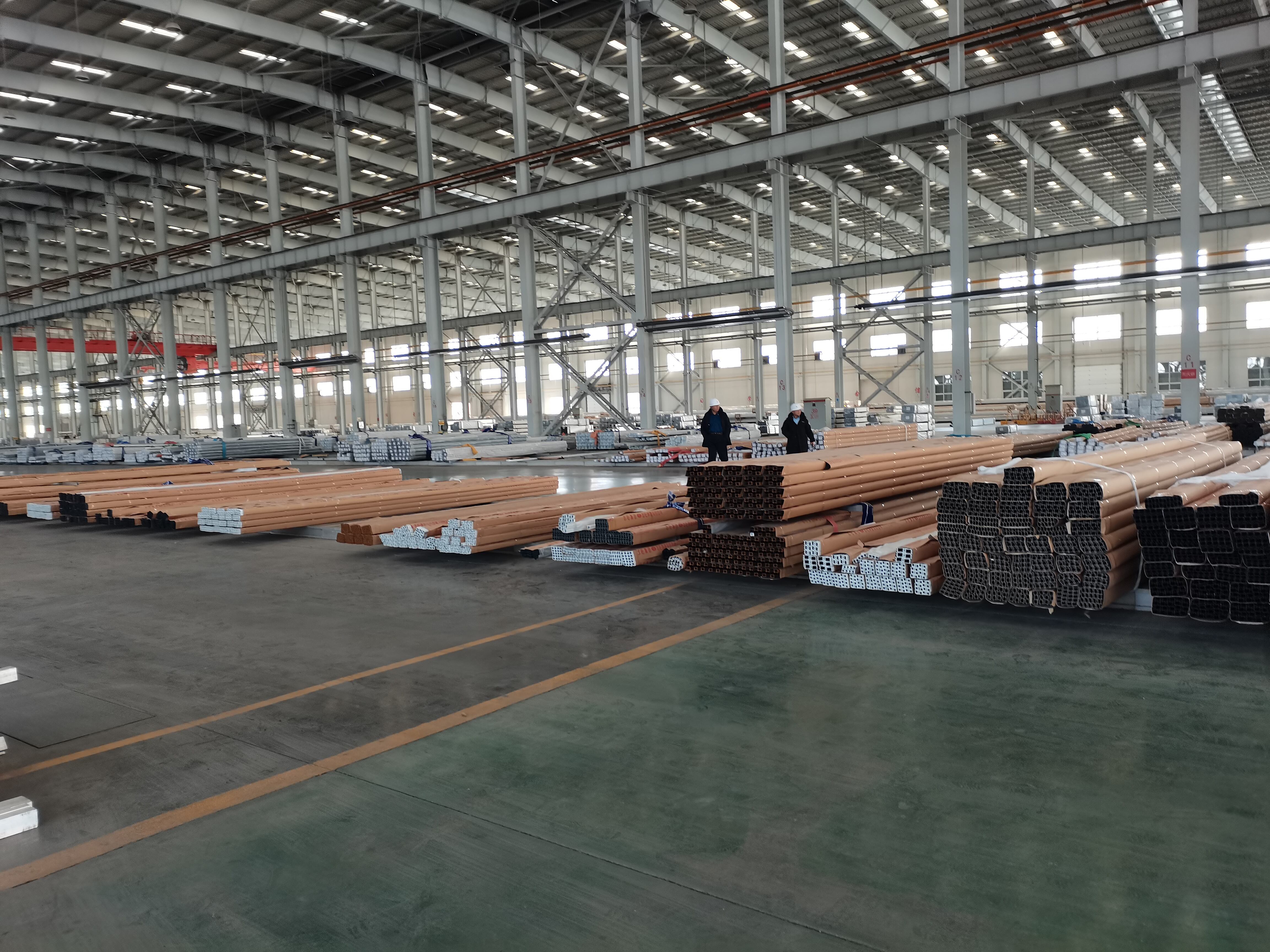
Why Aluminium Profile Lead Times Delay Projects and How Stock Solves It
Key Factors Causing Long Lead Times in Aluminium Profile Production
Production delays for aluminium profiles come down to three big problems mostly: when things need customizing, when manufacturing gets backed up, and because we still rely too much on global supply chains. When someone wants a custom extrusion, they need special dies made first. This usually takes around four to six weeks, which throws off regular production schedules completely. The latest Metals Industry Report says something like 78 percent of manufacturers are dealing with late deliveries of raw materials these days, which just makes everything take even longer. And then there's the whole automation factor. Factories without automated systems process orders about 35% slower than those with automation. That creates all sorts of inconsistencies in how fast orders get fulfilled, especially during peak times when demand spikes unexpectedly.
How Extended Lead Times Impact Construction and Manufacturing Project Timelines
Projects delayed by 8–12 week lead times for aluminium profiles suffer cascading setbacks:
- Construction phases stall, with 62% of contractors reporting schedule overruns due to material shortages
- Manufacturing lines idle at a cost of $2,800/day in lost productivity for mid-sized plants
- Resource reallocation becomes necessary, diverting teams from core tasks to supplier coordination
These delays erode margins and reduce project predictability, especially in fast-track builds or time-sensitive industrial rollouts.
The Shift from Made-to-Order to Stocked Standard Profiles as a Solution
Smart suppliers these days keep stock of over 14,000 standard aluminum profiles on hand, cutting down wait times dramatically from around 12 weeks to only 3 to 5 days for everyday needs like building frames, conveyor parts, windows, and doors. When companies don't have to wait for special dies to be made or get stuck in production queues, these ready-made profiles work for about 92 out of every 100 industrial projects without compromising quality. The change means getting things installed much quicker while still keeping the original design specs intact. For most businesses looking at their options, this ready availability beats out ordering custom pieces almost every time.
Stocking Standard Aluminium Profiles: Cutting Lead Time by 50%
How Pre-Stocked Profiles Enable Faster Delivery and Project Acceleration
Having pre-stocked aluminium profiles on hand cuts down those frustrating 3 to 6 week waits for custom extrusions. Contractors get instant access to standard sizes such as 30x60mm and 40x80mm beams made from 6000 series alloys right when they need them. When a supplier has these profiles already in stock, delivery happens fast too sometimes within just four business days. That kind of speed makes all the difference for tight deadlines. According to recent industry data from last year, around two thirds of construction professionals actually look first at suppliers who keep common profiles available. These ready stocks help avoid those nasty chain reaction delays so common in projects like building automated production lines or putting together modular structures where every day counts.
Case Study: Reducing Delivery From 8 to 4 Weeks Using Inventory Optimization
A European machinery manufacturer cut lead times by maintaining over 200 metric tons of anodized aluminium profiles across regional hubs. By standardizing 85% of framing components (T-slots, angles, channels) and reserving custom extrusions for load-bearing joints, they achieved:
| Strategy | Result |
|---|---|
| Regional inventory buffers | 75% reduction in air freight costs |
| ABC classification system | 92% order fulfillment from stock |
| Supplier consignment agreements | 40% lower minimum order quantities |
This strategy reduced average project duration by 31% while sustaining a 98% on-time delivery rate–demonstrating how strategic stocking balances speed, cost, and reliability.
Inventory Strategies for Distributors and Manufacturers to Balance Cost and Speed
To optimize aluminium profile availability without overstocking, three proven methods stand out:
- Demand-driven replenishment: Use IoT-enabled bin systems to align stock levels with real consumption patterns
- Modular design adoption: Specify standardized profiles in 80% of projects, reserving custom sizes for mission-critical applications
- Collaborative forecasting: Share live usage data with extrusion partners to synchronize production cycles
Distributors using these approaches report a 19% improvement in inventory turnover while guaranteeing 4-week delivery windows–an advantage in competitive OEM supply chains and urgent construction contracts.
Custom vs Standard Aluminium Profiles: Evaluating Lead Time Trade-offs
Impact of Customization on Production Complexity and Delivery Timelines
Making custom aluminum profiles usually takes around 8 to 12 weeks because there's all sorts of stuff involved first. We need to validate designs, create dies which generally takes about 15 to 20 business days, then calibrate machines for those special shapes. When dealing with really complex forms, things get even trickier since these require roughly 40 percent more quality inspections plus some fancy thermal treatments. That often leads to delays in production schedules. Industry data shows that creating the dies themselves eats up about 22% of the whole lead time. Custom options definitely meet performance requirements like handling loads up to 580 MPa, but they come with scheduling headaches nobody wants. On the flip side, standard profile parts can be shipped within 2 to 4 weeks straight from warehouse stock, making them much better suited for projects where timing matters most.
When to Choose Standard Stock Profiles vs. Custom Extrusions for Project Efficiency
Choose standard aluminium profiles when:
- Projects require rapid deployment (≈30 days)
- Design tolerances allow ±2mm dimensional flexibility
- Load requirements match widely available alloys like 6063-T5 or 6061-T6
It really only makes sense to go with custom extrusions for projects that will last six months or longer and require those special features nobody else offers like sealed channels for wires or those tricky aerospace shapes that taper out. Factory folks have noticed something interesting too: installing standard profiles from stock takes about 58 percent less time compared to waiting on custom made parts. Take this real world example from a recent bridge construction job where they saved around 240 man hours just by sticking with regular I-beams rather than going all out on custom options. When it comes to getting prototypes built though, most companies find success with what we call a mixed strategy. Start testing ideas with off-the-shelf profiles first, then switch over to custom stuff once everything gets approved. Saves money and headaches down the road.
Optimizing Supplier Collaboration to Ensure On-Time Delivery
Evaluating Supplier Reliability, Lean Capabilities, and Stock Availability
Getting good stuff from suppliers really comes down to looking at three main things: how consistently they deliver, how efficient their processes are, and whether they have transparent inventory systems. According to research from the International Metal Distributors Association, about two thirds of project delays happen because suppliers don't have real time stock info available for half those cases, or lack flexible production setups in the other quarter. Smart companies should focus on working with manufacturers that practice lean methods and keep some standard profile materials in stock. These capabilities mean less dependency on special orders when demand spikes suddenly, and better ability to handle unexpected situations without falling apart.
Strategies for Reducing Risk: Advance Planning, Dual Sourcing, and Transparency
Top contractors minimize delays through three key tactics:
- 12-month rolling forecasts shared quarterly to align supplier output with upcoming project needs
- Dual certification of at least two qualified suppliers for critical profile types
- Automated inventory dashboards that provide live updates on material availability
For example, a Scandinavian façade contractor reduced lead time variability by 38% after requiring suppliers to integrate IoT-enabled stock tracking into their ERP systems. This combination of foresight and transparency ensures timely delivery of pre-qualified aluminium profiles–without compromising technical specifications or project momentum.
FAQ
What are the main causes of lead time delays in aluminium profile production?
Lead time delays are primarily due to customization requirements, production backlogs, and reliance on global supply chains.
How do extended lead times affect construction and manufacturing projects?
Extended lead times cause construction phases to stall, manufacturing lines to idle, and require resource reallocation, impacting productivity and project predictability.
What are the advantages of stocking standard aluminium profiles?
Stocking standard profiles reduces lead times from weeks to days, aiding rapid project deployment and maintaining design specifications.
When should custom aluminium profiles be selected over standard ones?
Custom profiles should be chosen for projects lasting longer than six months and requiring unique features not available in standard profiles.