
 EN
EN
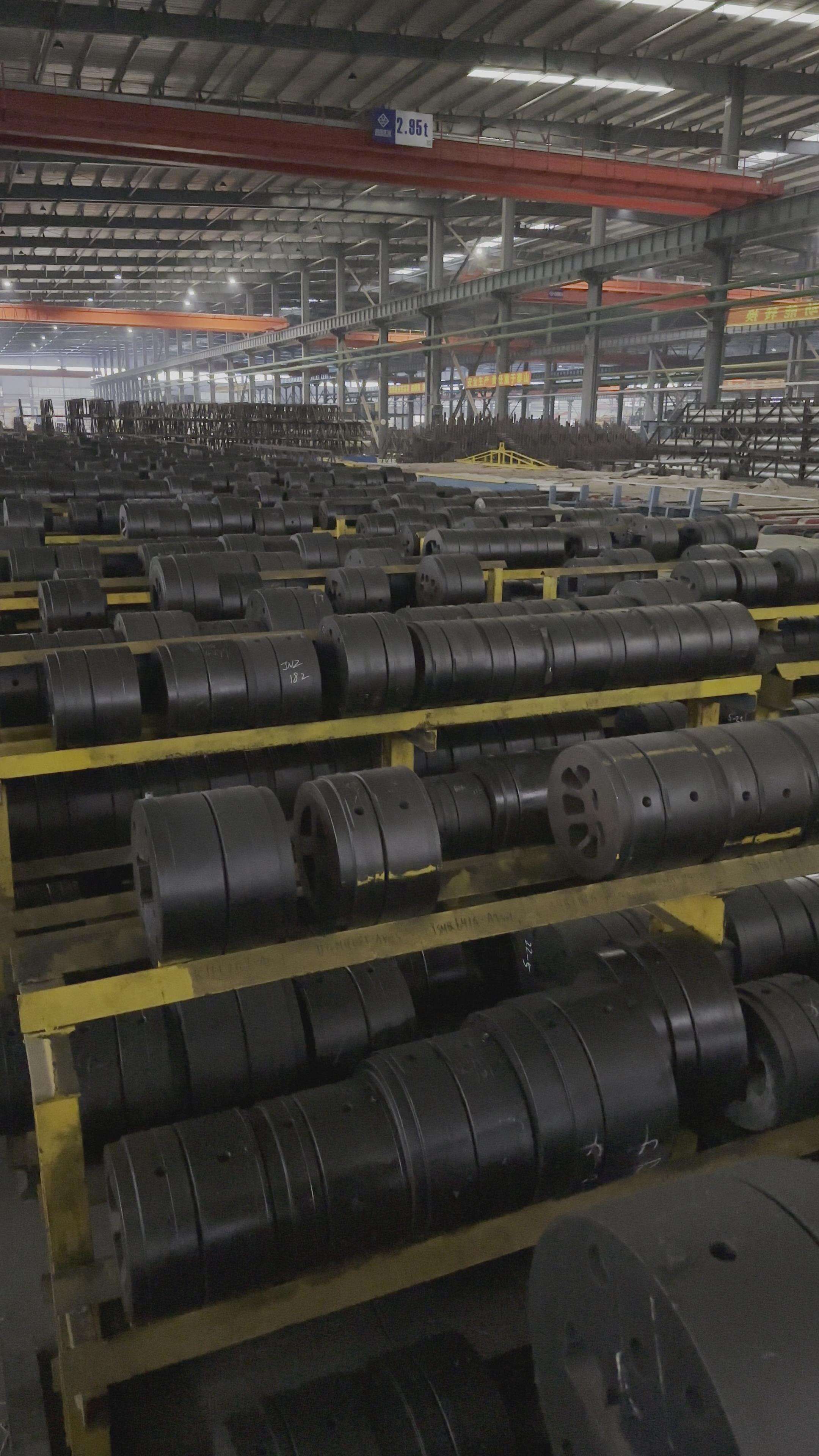
Debunking the Myth of Limited Aluminium Profile Variety
People often think there aren't many aluminum profile choices available because they only look at what's listed in those standard catalogs instead of considering what actual extrusion technology can do. Sure, most blueprints still feature common shapes like T-slots and I-beams, but did anyone know that manufacturers actually produce around 15 thousand different profiles using modern die techniques? According to the Aluminum Extruders Council report from last year, these specialized shapes let builders tackle all sorts of structural challenges while keeping the same high quality materials throughout their projects.
The Perception of Scarcity in Standard Aluminum Profiles
72% of mechanical designers initially believe aluminium profiles only come in basic geometric shapes, unaware that modern extrusion tolerances reach ±0.1mm for complex cross-sections. This misconception persists because stock catalogs typically feature 200 standard profiles, material selection guides prioritize generic solutions, and few projects leverage parametric design tools.
How Customization Transforms Design Limitations into Opportunities
Bespoke aluminium profiles convert constraints into advantages through:
| Design Challenge | Custom Solution | Benefit |
|---|---|---|
| Weight restrictions | Hollow profiles with internal ribs | 35% mass reduction |
| Thermal bridging | Polyamide-stripped thermal break | 60% energy savings |
| Aesthetic demands | Brushed/anodized finishes | Brand differentiation |
A robotic arm manufacturer improved performance by replacing steel components with optimized 6063-T6 aluminium extrusions, achieving 27% faster cycle times.
Case Study: Shifting from Generic to Bespoke Solutions in Industrial Design
A European tram company made a big switch recently, going from 28 standard metal shapes to just 7 specially designed aluminum extrusions. This change cut down on assembly labor costs by around 18%. They also managed to incorporate power and control wiring right into the handrails themselves while still meeting FAA fire safety standards without needing extra protective coatings. What really stands out here is their use of these complex multi-chamber hollow profiles that simply can't be produced with traditional manufacturing tools. This case shows how aluminum opens up new possibilities when manufacturers are willing to think outside the box and invest in custom production methods instead of sticking to what's always been done before.
From Design to Die: How Aluminum Extrusion Shapes Profile Flexibility
Initial Design Phase: Translating Concept to Extrudable Aluminium Profile
Design starts when CAD software turns ideas into actual blueprints ready for extrusion work. The real magic happens when engineers and designers get together to find that sweet spot between looks and strength. They tweak things like wall thickness which usually ranges from about 1 to 5mm for regular aluminum profiles, while also making sure the shape allows materials to flow properly during production. A recent study by the Aluminum Design Association found that more than 60% of all profile problems come down to bad design translations. When working on these projects, there are several important factors to keep in mind. First, maintaining tolerances within around 0.13mm over 10 meter sections is critical. Then comes choosing the right alloy type - 6063-T5 works well for building facades and similar applications, whereas structural components typically need stronger 6061-T6 material. Lastly, manufacturers often simplify designs where possible to cut costs, eliminating those tricky undercuts that don't really serve any purpose but still complicate manufacturing.
Die Functionality and Material Flow in Precision Aluminum Extrusion
What the die does goes well beyond just shaping metal. It actually controls how fast the metal flows through different parts of the mold, which helps keep those hollow aluminum profiles from twisting during production. Many top companies now run computer models to see how metal will move before they even start manufacturing, and these simulations help them hit around 98% accuracy when measuring finished products after extrusion. Some real world tests back this up too. One recent study looked at changing the length of the die bearing area and found that manufacturers could cut down on wasted materials by nearly 20% when making rails for cars. There are also some key numbers worth knowing about. For example, the pressure ratio needed differs between solid and hollow profiles - about 25 to 1 for solid ones versus closer to 45 to 1 for hollow designs. These ratios matter because they affect not only the final product quality but also how much electricity the whole process consumes, typically around 1.2 kilowatt hours for every metric ton produced.
Cost-Effectiveness of Custom Aluminium Profiles Through Mold Economies
Breaking Down Tooling Costs in Aluminum Extrusion
When it comes to making custom aluminum profiles, most of the money goes into creating and setting up dies, which typically eats up between half to three quarters of what companies spend at the start of a project. Things have changed quite a bit though since around 2018 thanks to better computer programs for designing molds and these newer modular die systems. Lead times are down roughly 40% now according to industry reports from last year. A lot of shops are finding ways to save cash too by taking standard parts from one die and using them again on different jobs. Some manufacturers report saving as much as fifteen thousand dollars each time they create a new profile design this way.
Custom vs. Standard: Evaluating ROI Beyond Initial Investment
Standard aluminium profiles typically run around $3 to $5 per linear meter, while custom ones usually fetch between $8 and $12. But according to an industry report from last year, companies often save big money in the long run with these custom options. The numbers back this up too - secondary processing costs drop by about 62% when going the custom route. For projects that need complicated assemblies, the savings get even better. Take one car parts manufacturer as an example. They managed to slash their monthly production time by 33 whole hours after making the switch to single piece custom profiles. No more welding required, no drilling either. Just cleaner workflows and fewer headaches down the line.
The Paradox: High Upfront Cost vs. Low Per-Unit Price at Scale
When manufacturing runs hit around 10,000 custom aluminum profiles, most manufacturers find that their per unit costs actually fall below what they'd pay for standard profiles once production passes about 2,500 units. The reason? Custom designs tend to generate way less scrap metal compared to modified standard profiles. We're talking about an average waste rate of just 12% versus nearly triple that at 28% for those modified standards. Plus there's less work needed after extrusion processes too. And interestingly enough, some specialized applications start seeing cost benefits even sooner than that. In certain niche markets, companies can reach their break even point as low as 800 units if they factor in all those long term maintenance savings over time.
Design Flexibility Unleashed: The Future of On-Demand Aluminium Profiles
Beyond Catalogs: Infinite Shape Possibilities with Custom Dies
Custom dies have pushed aluminum extrusion far past what was possible from standard catalogs, opening up endless shape possibilities. These days, engineers spend hours designing cross sections using those fancy 3D modeling programs so they can hit both structural needs and look good too, without having to make any real sacrifices in design. What we get are profiles with built-in channels for wires running through them, special breaks that stop heat transfer, or even shapes that cut through air better than anything off the shelf could manage. The machines doing the cutting now achieve incredible accuracy around plus or minus 0.1 millimeters something old school tools just couldn't match. Architects love working with these custom profiles when creating building exteriors because everything fits together seamlessly. Car makers meanwhile use them to build lighter but stronger parts after running all sorts of computer simulations. Look at aerospace companies or medical device manufacturers they've completely changed how they work since getting access to these specialized aluminum shapes, which actually makes their products perform much better in real world conditions.
Modular Dies and Agile Supply Chains Driving On-Demand Manufacturing
Modular die systems work by mixing standard parts with custom inserts, which lets manufacturers tweak their setups quickly when designs change. The savings are pretty substantial too. Companies report cutting first-time tooling expenses by around half, plus getting products out the door much faster than before. When paired with agile supply chain practices, the advantages multiply. Just-in-time materials and computerized stock control cut wait times for custom aluminum profiles anywhere from 40% to almost two thirds. With real time tracking of orders, there's better sync between when dies get made and when materials arrive at the factory floor. This makes smaller runs (say under 1,000 pieces) actually worth doing financially. For sectors needing fast prototypes or adapting to market shifts, like solar panel makers or folks building next gen gadgets, these modular approaches set a whole new standard for how efficiently we can produce things on demand.
FAQ
What are the primary reasons for choosing custom aluminium profiles over standard ones?
Choosing custom aluminium profiles can lead to significant long-term savings, reduced production and assembly times, and optimized designs that meet specific project needs. Custom profiles offer flexibility in design, better fit for structural needs, and can reduce secondary processing costs significantly.
How does the customization of aluminium profiles affect tooling costs?
While the initial costs for creating custom dies are higher, advancements in modular die systems and design software have lowered lead times and expenses. This results in significant cost savings over time due to reduced material waste, minimized production steps, and increased efficiency.
Are custom aluminum profiles beneficial for small production runs?
Yes, custom aluminum profiles can be beneficial even for smaller production runs due to improvements in agile supply chain practices and modular dies. These advancements reduce wait times and align tooling expenses more effectively, making small runs financially viable.