
 EN
EN
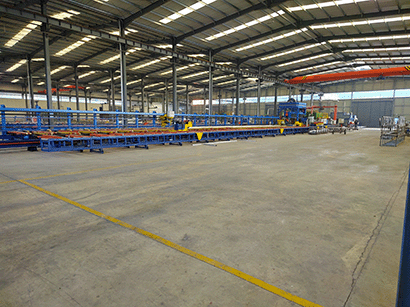
Minimizing Material Waste with Optimized Aluminium Extrusion
Die design and material flow optimization to reduce scrap rates
When designing dies with help from simulation software, manufacturers can really improve how metal flows through during extrusion processes. This helps get rid of those pesky turbulence issues and those annoying dead spots where defects tend to form. Getting the cavity filled evenly makes all the difference for engineers trying to minimize rejected profiles. Modern plants now manage to keep scrap rates below 3%, which is way better than the old methods that saw anywhere between 8% and 12% waste. Some systems even monitor pressure as it happens, automatically tweaking ram speeds to maintain consistent results throughout production runs. And let's not forget about recycling scraps right back into the melting process. Aluminum has this amazing property where it can be recycled over and over again without losing quality. The energy needed to make aluminum from recycled material? Just around 5% of what it takes to produce new aluminum from raw ore. That's pretty impressive when we think about sustainability goals these days.
Near-net-shape output: cutting post-processing and raw material waste
With near net shape extrusion, profiles come out at around ±0.5 mm from their final size, which means much less need for machining or sometimes none at all. The process creates integrated features right in the die itself. Think about things like channels, those little mounting grooves we need so often, even those fin structures on heat sinks. No need for extra steps after the initial extrusion. According to some research published last year, companies using this method actually cut down on raw materials by about 22% compared to older techniques. Plus there's another benefit. Because aluminum is so light to begin with, the whole process uses less energy overall and produces fewer emissions during transportation too. Makes sense when looking at the bigger picture of manufacturing efficiency.
Streamlining Assembly Through Integrated Design in Aluminium Extrusion
Consolidating components with built-in functional features (e.g., mounting slots, heat sinks)
When designing with integration in mind, manufacturers can build mounting slots, wiring channels, and thermal fins right into the extruded profiles themselves. This turns what would normally be separate parts into one multifunctional component. No more welding brackets or bolting things on separately. And definitely no extra heat sinks stuck onto the side. Part counts drop around 40% overall, which means fewer fasteners lying around and less time spent at those sub-assembly stations. From a thermal standpoint, things get better too. Continuous heat dissipation surfaces built directly into the profile work much better than having separate heat sink assemblies attached later. Plus, when it comes time to modify dies, adding new features like sensor housing or access ports takes just a few days instead of weeks. This keeps the whole design process moving quickly even as requirements change during production runs.
Reducing labor, cycle time, and error rates via simplified assembly
Reducing component count leads to quicker and more dependable assembly processes according to industry reports showing around 30 percent reduction in cycle time plus about 15 to maybe even 25 percent less labor needed overall. When there are no loose screws hanging around, no problems with weld alignment issues, and definitely no need for those tedious manual fits, mistakes just don't happen as often which matters a lot when making things like medical device frames where precision is absolutely essential. Workers can just push panels into built-in slots or connect them using those ready made snap fittings, which speeds everything up while making it easier for new staff to learn the ropes without compromising on how accurate the final product turns out.
Lowering Total Cost of Ownership with Aluminium Extrusion
Low tooling investment vs. machining: faster ROI and scalability
Aluminum extrusion needs about 90 percent less money upfront for tools compared to traditional machining methods. Standard extrusion dies typically range between five hundred to five thousand dollars, while die casting or injection molding can easily exceed twenty five thousand dollars for tooling alone. This means companies reach their break even point much faster, often during the first few batches produced. And once the die is set up, each additional unit costs very little to make, which makes scaling operations much easier. There's also less worry about holding onto excess inventory since manufacturers can produce what they need when they need it, without tying up huge amounts of cash in storage. Plus, when using shapes that are almost ready to use right out of the machine and incorporating parts that fit together without extra work, the whole process saves anywhere from fifteen to thirty percent on both labor time and wasted materials. What starts as just another manufacturing technique becomes something far more valuable over time.
Enhancing Precision and Uptime with Advanced Aluminium Extrusion Technology
Automation and real-time process control for consistent dimensional accuracy
CNC-controlled extrusion lines paired with AI-driven sensors monitor temperature, pressure, and flow in real time—automatically adjusting parameters to maintain micron-level dimensional stability. This eliminates drift-induced scrap, reducing waste by up to 30% versus manual systems and ensuring every profile meets tight aerospace-grade tolerances.
Predictive maintenance extending die life and minimizing unplanned downtime
AI models trained on historical and live extrusion data forecast die wear progression, triggering replacements before performance degrades. Industry data shows this extends die service life by 40-60% and cuts unplanned downtime by 50%. Maintenance becomes fully scheduled—aligned with planned production pauses—ensuring uninterrupted, just-in-time output without quality compromise.
FAQ
What is aluminium extrusion?
Aluminium extrusion is a process where aluminum alloy material is pushed through a die to create a specific shape. It's used to manufacture components with high strength and lightweight properties.
How does die design impact extrusion?
Effective die design ensures proper material flow, reduces defects, and improves the quality of the extruded profiles, minimizing waste.
What is near-net-shape extrusion?
Near-net-shape extrusion refers to producing profiles that are very close to their final dimensions, reducing the need for additional machining and material waste.
Why is integrated design beneficial in extrusion?
Integrated design allows for multiple functions within a single component, reducing the number of parts needed and improving assembly efficiency.
How does aluminum extrusion lower production costs?
Aluminum extrusion requires low initial tooling investments, making it cost-efficient. The process also reduces labor and material waste.
What role does automation play in extrusion?
Automation and real-time process control help achieve consistent dimensional accuracy and reduce waste during the extrusion process.
Table of Contents
- Minimizing Material Waste with Optimized Aluminium Extrusion
- Streamlining Assembly Through Integrated Design in Aluminium Extrusion
- Lowering Total Cost of Ownership with Aluminium Extrusion
-
Enhancing Precision and Uptime with Advanced Aluminium Extrusion Technology
- Automation and real-time process control for consistent dimensional accuracy
- Predictive maintenance extending die life and minimizing unplanned downtime
- FAQ
- What is aluminium extrusion?
- How does die design impact extrusion?
- What is near-net-shape extrusion?
- Why is integrated design beneficial in extrusion?
- How does aluminum extrusion lower production costs?
- What role does automation play in extrusion?