
 EN
EN
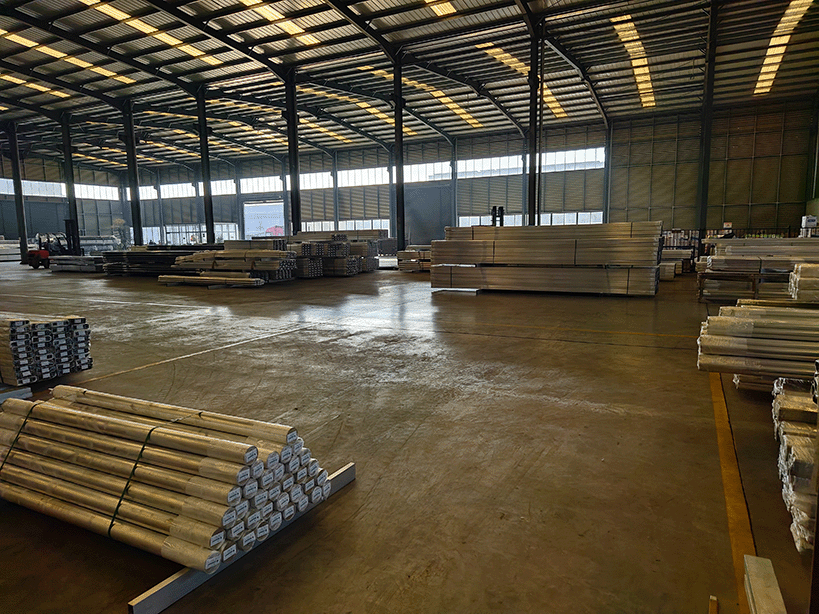
Superior Strength-to-Weight Ratio for Efficient, High-Performance Parts
How custom aluminum’s optimized mechanical properties reduce weight without compromising structural integrity
Aluminum custom made for specific applications offers impressive strength relative to its weight, something manufacturers love for getting more done with less material. What makes this possible? Carefully mixed alloys combined with controlled heating treatments boost the metal's ability to hold up under stress without adding extra bulk. When replacing steel parts with aluminum equivalents, companies often see weight cuts between 40% and 60%. Think about conveyor belts running smoother because they're lighter - studies show these systems consume around 18% less electricity after switching materials. Another plus point: aluminum naturally absorbs vibrations better than many alternatives, which means fewer breakdowns in machines that run constantly. And unlike composite materials needing special coatings, aluminum just works reliably whether it's freezing cold at minus 80 degrees Celsius or hot enough to cook an egg at 150 degrees. Best part? All these advantages come without compromising safety since most industrial grades pass strict ISO 6361 tests for structures where failure isn't an option.
Real-world validation: ASTM B221 tensile yield comparisons—custom aluminum vs. steel and composites in production-critical applications
Testing under ASTM B221 standards shows why many manufacturers prefer custom aluminum for their production needs. Take 6061-T6 alloy for instance. It can handle tensile yields around 276 MPa, which is pretty close to what we see from A36 steel at about 250 MPa, yet it only weighs roughly one third as much. When looking at how materials perform in harsh conditions, aluminum really stands out compared to composites. After being exposed to salt spray tests, aluminum keeps about 95% of its original strength while fiber reinforced polymers tend to lose somewhere between 30 and 40%. Automotive companies have found this particularly useful for chassis parts. According to data from SAE standards, aluminum components can take almost twice as much repeated stress before failing compared to magnesium composites. What makes aluminum even better is its workability. Damaged sections can often be repaired instead of completely replaced, saving factories approximately $74,000 each year on maintenance costs across an entire assembly line. The benefits extend beyond just cars though. In fields like aerospace engineering, robotics development, and wind turbine manufacturing, the lighter weight means longer lasting systems and faster response times overall.
Built-In Corrosion Resistance and Finish Versatility for Long-Term ROI
The self-healing oxide layer: why custom aluminum excels in harsh environments—from coastal manufacturing to chemical processing
When custom aluminum gets scratched or damaged, it creates its own protective oxide layer that fixes itself over time, making it incredibly resistant to corrosion even in harsh conditions. This natural defense system keeps materials from breaking down in places like coastal areas filled with salt air or inside chemical processing plants where regular steel parts often need replacing every few years. The numbers are staggering too. A report from NACE International estimates that corrosion eats away at around $2.5 trillion worth of assets globally each year, which amounts to about 3.4% of what the whole world produces economically. What makes aluminum stand out? Its passive oxide coating, just 2-3 nanometers thick, lasts much longer than painted or coated surfaces. Real world tests show aluminum structures surviving for half a century in marine environments while steel typically only lasts about 15 years before needing major work. How does this happen? Basically, when oxygen meets exposed aluminum atoms, they bond together quickly to form a solid shield against corrosive elements like chloride ions and acids. Because of this natural protection, many facilities don't need extra anti-corrosion treatments anymore. Facility managers tell us this cuts down on both upfront costs and ongoing maintenance expenses by anywhere between 30% to 60%, depending on the specific application.
Anodizing and powder coating as integrated value-adds: achieving brand-consistent aesthetics and enhanced durability in a single finish workflow
The manufacturing industry boosts what aluminum already does well by using special finishing techniques that look good and work great together. When they anodize aluminum, they basically grow a thicker oxide layer on the surface through electricity, usually between 10 to 100 micrometers thick. What makes this interesting is how the surface becomes slightly porous, which means it can take up colorful dyes really well. The hardness level after treatment reaches around Rockwell 80-90, which isn't far off from something as hard as industrial diamonds. This kind of treatment makes aluminum surfaces about three times more resistant to wear and tear compared to regular untreated metal, all without messing up the exact dimensions manufacturers need for their products. Another option called powder coating works differently but adds similar value. It applies layers of special polymers that stick permanently to the surface, giving extra protection against damage.
| Characteristic | Anodizing | Powder Coating |
|---|---|---|
| Color Options | Limited metallic tones | Unlimited RAL/Pantone matches |
| Texture Range | Gloss to matte | Gloss, matte, textured, metallic |
| Impact Resistance | Moderate | Excellent (ASTM D2794) |
| UV Stability | Permanent (integral to surface) | 20+ years (Florida testing) |
When these processes work together, something special happens. Anodizing protects the base material, and powder coating lets companies put their own stamp on products visually. Factory floor managers tell us production speeds jump around 40% with this combo method instead of going through all those separate steps needed for steel finishes. Plus there are no VOCs involved here unlike traditional liquid paints which is a big plus for environmental compliance. What really stands out though is how this two-part finish changes plain old aluminum parts into something customers actually want to see in their buildings or equipment. We've seen some installations last nearly 15 extra years outdoors because of this protection combination, which makes a huge difference for maintenance budgets over time.
Design Freedom and Scalable Manufacturing from Prototyping to Mass Production
Rapid iteration with custom aluminum extrusion: <10-day die development and low-MOQ prototyping without retooling penalties
With custom aluminum extrusion, companies get this amazing flexibility in their designs. Die development now takes just around 10 days, which is roughly 80% quicker compared to what used to be standard practice. For manufacturers looking to test out new product ideas, this means they can actually build working prototypes even when ordering only about 10 pieces. No need to spend extra money on fixing tools if something needs changing later on. The speed factor really matters across different industries too. Think about aerospace parts that need to be lighter but still strong enough. Or automotive components where every gram counts for fuel savings. Robotics manufacturers also benefit greatly since lighter materials mean better performance overall without sacrificing structural integrity.
Total cost-of-ownership analysis: where custom aluminum outperforms CNC and casting across volumes (10–100,000 units)
Scaling up from small test runs to full scale manufacturing shows that custom aluminum parts can save between 20 to 35 percent on overall costs when compared against traditional CNC machining or casting techniques. For quantities under 500 pieces, extrusion works better because it doesn't require the expensive per piece machining costs associated with CNC work. When looking at volumes between 500 and around 20 thousand units, extrusion beats casting mainly due to lower upfront tooling expenses and about 30% quicker production cycles. At the 100 thousand unit mark, having finishing processes built right into the workflow like inline anodizing really cuts down on extra steps without sacrificing tight dimensional control within roughly 0.1 millimeters. The reason aluminum scales so well comes down to its ability to take shape close to final dimensions during forming, cutting material waste by almost three quarters compared to methods that remove material bit by bit. This becomes particularly valuable when metal prices are all over the place in the market.
FAQ Section
Why is custom aluminum preferred over steel and composites?
Custom aluminum offers significant weight savings, impressive strength, and natural corrosion resistance, making it ideal for various industrial applications over steel and composites.
How does aluminum perform in terms of corrosion resistance?
Aluminum forms a self-healing protective oxide layer that provides excellent resistance to corrosion, even in harsh environments.
What are the benefits of anodizing and powder coating aluminum?
Anodizing enhances aluminum's surface durability and color absorption, while powder coating adds an extra layer of protection and aesthetic customization.
How does custom aluminum compare in cost-effectiveness to CNC machining and casting?
Custom aluminum can save 20-35% in costs compared to CNC machining and casting, particularly at higher production volumes.