
 EN
EN
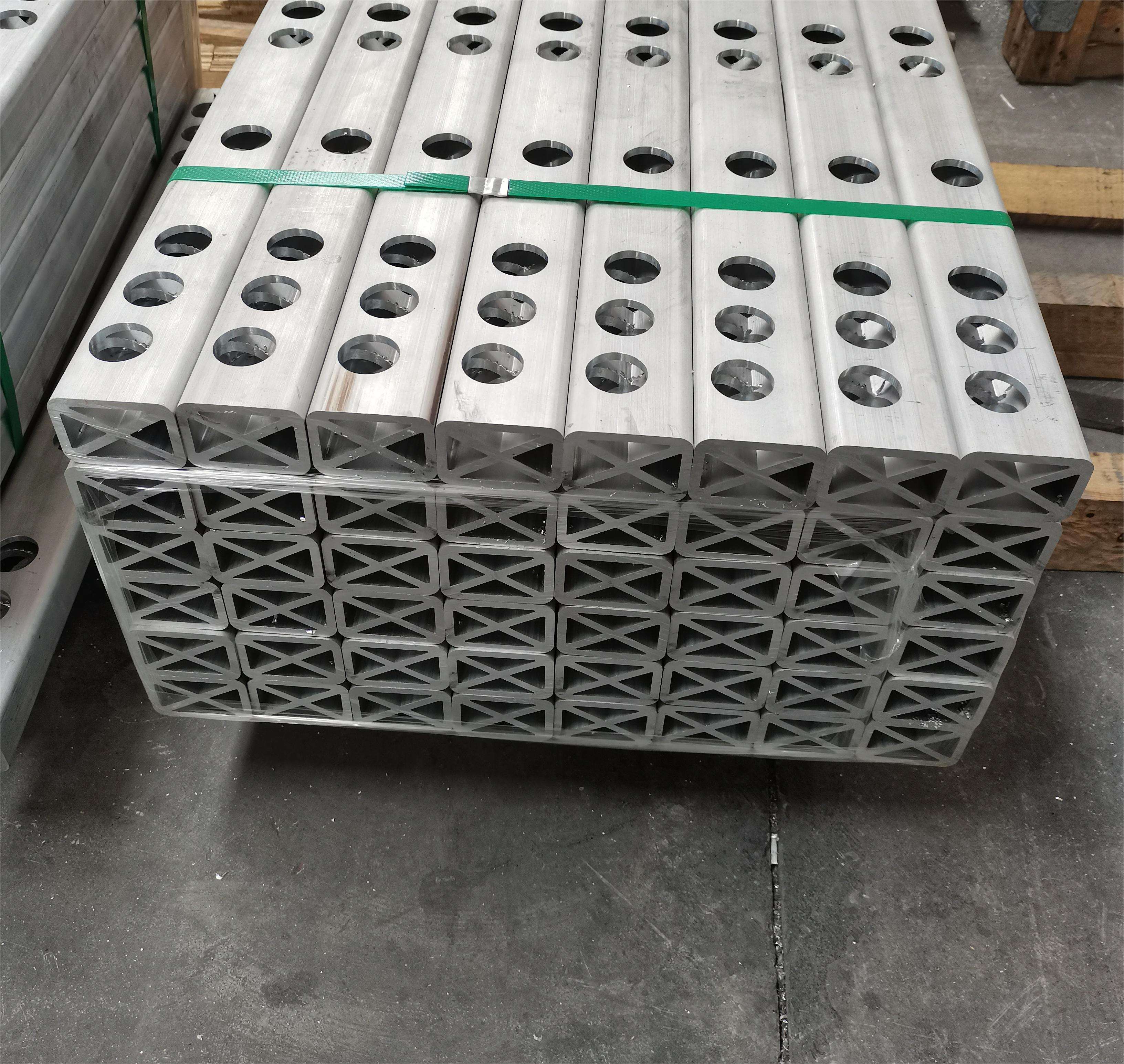
Lightweight Strength: Enhancing Machine Performance with Aluminium Profile
Superior strength-to-weight ratio for efficient machinery design
Aluminum profiles have about three times the strength to weight ratio of steel, which means engineers can build strong machines without adding unnecessary bulk. The latest industry numbers from 2024 show that when properly designed, aluminum extrusions handle loads 15 to maybe even 20 percent better per pound than older materials do. What does this mean practically? Faster development cycles for prototypes and significantly less scrap material ending up in landfills during manufacturing processes. Many factories report cutting down on wasted raw materials after switching to these lighter but stronger components.
Improved speed and energy efficiency due to lightweight construction
When components weigh less, automated systems just perform better overall. Equipment built with aluminum profiles can speed up about 12 to maybe even 18 percent faster when moving in straight lines, and they eat up around 20% less power during those long runs of repeated movements according to some research from last year's automation efficiency report. The lighter weight means there's less strain on all those motor parts too, so machines need servicing less often. This matters a lot for things like robotic arms, computer controlled cutting machines, and packaging lines where downtime costs money and productivity drops fast if maintenance isn't kept on schedule.
Comparison with steel: durability without the excess weight
| Material | Relative Weight | Strength Comparison | Primary Applications |
|---|---|---|---|
| Aluminium Profile | 1.0x | High stiffness | Robotics, conveyors, frames |
| Steel | 3.0x | Higher absolute | Heavy foundations |
While steel provides greater absolute strength, aluminium profiles deliver comparable fatigue resistance and durability at one-third the weight. This advantage simplifies installation, reduces structural support needs, and lowers shipping costs. In dynamic applications, aluminium’s superior vibration damping further improves operational stability.
Corrosion Resistance and Low Maintenance in Industrial Applications
Natural oxide layer providing long-term protection in harsh environments
When aluminium comes into contact with oxygen, it naturally creates an oxide layer that can actually repair itself over time. This gives aluminium built-in protection against corrosion even in tough conditions like high humidity areas, chemical environments, or near saltwater. The protective film stops pits from forming and keeps the metal from breaking down, so no special coatings are needed for things like equipment in food factories or structures along coastlines. Regular metals like iron just keep rusting away when exposed to moisture, but aluminium stands up to these challenges much better. That's why we see it used so often in places where water or acidic substances would quickly destroy other materials.
Extended service life and reduced downtime in machinery systems
In industrial automation settings, aluminium profiles tend to last about 30 to maybe even 50 percent longer than carbon steel counterparts. They cut down on those annoying rust related failures that cause unexpected machine stoppages. Many factories have noticed their maintenance crews spend roughly 45% fewer hours each year fixing things when they switch to aluminium instead of regular steel. No need for all those extra surface treatments or constant part replacements anymore. For companies operating in cleanrooms like pharmaceutical labs or semiconductor fabrication plants, this matters a lot. Corrosion particles floating around can really mess up sensitive manufacturing processes and bring everything grinding to a halt.
Design Flexibility and Modular Customization with Aluminium Profile
Aluminium profile systems transform machinery design through exceptional adaptability. Extruded forms allow engineers to create custom frames and components that meet exact functional and spatial requirements, eliminating performance compromises.
Custom Extrusions for Tailored Machine Frames and Components
Extrusion dies enable virtually any cross-sectional shape—from reinforced beams to integrated cooling channels—achieving tight tolerances (±0.1mm) without costly machining. A leading industrial study found custom extrusions reduce component counts by 40% versus welded steel, directly lowering production costs and assembly complexity.
Modular Building Systems Enabling Rapid Prototyping and Scalability
Standardized T-slot profiles and connector systems support tool-free assembly, allowing functional prototypes to be built in hours. These modular platforms enable iterative design, with components easily reconfigured or expanded. Conveyor manufacturers, for example, achieve 60% faster line reconfiguration using aluminium-based systems.
Integration of Functions to Reduce Complexity in Assembly
Single extrusions can combine multiple features:
- Embedded wiring and pneumatic channels
- Precisely machined mounting surfaces
- Self-aligning joint mechanisms
This multifunctional integration reduces assembly steps by up to 35% while enhancing structural integrity. Thermal breaks within profiles also minimize energy loss in temperature-sensitive applications.
The flexibility of aluminium profiles transforms machinery into adaptable platforms, future-proofing investments against evolving operational demands.
Simplified Assembly and Future-Proof Machine Modifications
Tool-based assembly using T-slots and standard fasteners
Integrated T-slot channels and standardized connectors eliminate the need for welding or drilling, enabling assembly with common hex keys and fasteners. Manufacturers achieve 30–50% faster build times compared to welded steel frames while maintaining equivalent rigidity. Continuous slots allow precise component placement, reducing measurement errors and rework.
Easy reconfiguration for evolving production needs
Aluminium profile frames can be disassembled and reconfigured in hours, making them ideal for high-mix, low-volume manufacturing. Production lines modified with aluminium components achieve up to 80% faster changeovers, according to industry benchmarks. This adaptability extends equipment life through incremental upgrades rather than full replacements, significantly reducing lifecycle costs.
Cost Efficiency and Sustainable Engineering with Aluminium Profile
Reduced material and labor costs in machinery manufacturing
Aluminum profiles weigh about two thirds less than steel counterparts, which means companies can cut down on materials by somewhere between 15 to 20 percent while saving around 30% on shipping and installation bills. When it comes to machining, aluminum works much better with CNC machines, consuming roughly 40% less energy during processing. This not only speeds things up but also makes tools last longer before needing replacement. The standardized T-slot connection system really stands out too, allowing assemblies to come together about a quarter faster than traditional methods, which obviously cuts down on labor costs. Plus there's no need for extra protective coatings since aluminum naturally resists corrosion over time. All these advantages stack up to significant cost savings in the long run, even though the starting price per unit might be comparable to steel alternatives.
Recyclability and environmental benefits supporting green engineering
The process of recycling aluminium needs just about 5 percent of what it takes to make new aluminium from scratch, while keeping those important mechanical properties intact for years and years. Think about this fact: more than three quarters of all aluminium made throughout history is still being used somewhere right now, which makes possible that whole circular economy approach we keep hearing about. When companies choose to recycle instead of producing fresh material, they cut down on carbon dioxide emissions by roughly ninety percent compared to starting from raw materials. That kind of reduction really matters when businesses are trying to hit their net zero targets. Even when aluminium parts reach the end of their useful life, there's still value left in them. This means less stuff ends up in landfills and helps maintain those green manufacturing practices that so many industries claim to support these days.
FAQ Section
Q: What is the strength-to-weight ratio of aluminium profiles compared to steel?
A: Aluminium profiles have about three times the strength-to-weight ratio of steel, offering high stiffness and durability without excess weight.
Q: How does the corrosion resistance of aluminium profiles benefit industrial applications?
A: Aluminium forms a natural oxide layer that provides long-term protection against corrosion, making it well-suited for harsh environments such as high humidity or chemical exposure.
Q: Can aluminium profiles enhance cost efficiency in manufacturing?
A: Yes, aluminium profiles are lighter than steel, reducing material, shipping, and installation costs. They also support sustainable manufacturing through recyclability and lowering CO2 emissions.
Table of Contents
- Lightweight Strength: Enhancing Machine Performance with Aluminium Profile
- Corrosion Resistance and Low Maintenance in Industrial Applications
- Design Flexibility and Modular Customization with Aluminium Profile
- Simplified Assembly and Future-Proof Machine Modifications
- Cost Efficiency and Sustainable Engineering with Aluminium Profile