
 EN
EN
Speed and Precision: How Aluminium Extrusion Delivers High-Volume Consistency
Continuous Extrusion Cycles Enable Rapid Output Without Compromising Tolerance
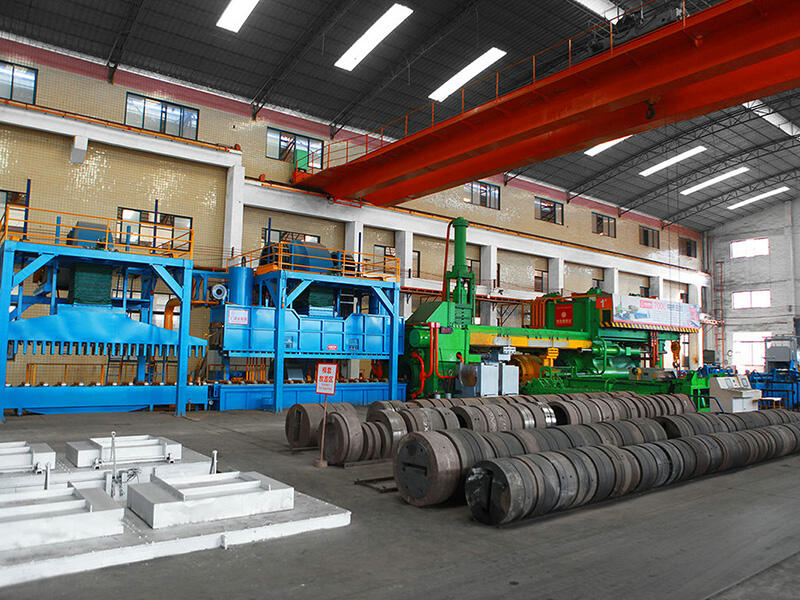
The speed of aluminium extrusion processes is pretty remarkable, thanks to continuous operation cycles that keep tolerances tight around ±0.1mm. Most top producers tweak their ram speeds somewhere between 5 and 100 mm per second, making adjustments based on what kind of alloy they're working with and how complex the profile needs to be. These settings let them push out over 30 meters every minute without sacrificing accuracy, which really matters in industries like cars and planes where parts need to fit together perfectly without any issues. Keeping an eye on things like breakthrough pressure during processing (usually around 35 to 70 MPa) along with maintaining container temperatures within about ±5 degrees Fahrenheit helps prevent all sorts of defects. This careful monitoring ensures everything flows smoothly and maintains structural strength even when running large production batches.
Near-Net-Shape Accuracy Ensures <2% Material Waste vs. 30—50% in Subtractive Methods
Aluminium extrusion cuts down on wasted materials because it creates parts that are almost the final shape needed, leaving less than 2% waste behind. Traditional machining methods throw away around 30 to 50% of the material as scrap. When we push hot metal billets through specially made dies in one go, there's no need for all those extra steps where material gets cut away. The way aluminium bends and stretches makes it possible to create complicated shapes without needing much additional work after extrusion. And when companies set up good recycling systems too, they can save about half their material costs compared to older manufacturing techniques.
Cost Efficiency: Low Tooling Investment and Energy Savings at Scale
Affordable Die Tooling with Fast ROI—Often Achieved Within 10,000 Units
When it comes to cost effectiveness, aluminium extrusion stands out because it requires much less money upfront for tools compared to other methods. Extrusion dies typically run about 60 to maybe even 80 percent cheaper than those used in machining or casting processes. Most manufacturers find they get their money back after producing around 10 thousand parts. Why? Well, these dies are easier to maintain overall and have designs that can be adapted fairly quickly when switching between different products. This means factories don't sit idle waiting for new tooling during production changes. Another big plus is how little material gets wasted in the process. Since extrusion creates shapes that are already close to what's needed, scrap rates stay below 2%, which really adds up over time for any business looking to cut expenses.
40% Lower Energy Consumption per kg vs. Hot Rolling or Forging (US DOE Data)
When it comes to manufacturing processes, extruding aluminium actually uses around 40 percent less energy per kilogram compared to methods like hot rolling or forging according to some long term research conducted by the US Department of Energy. Why does this happen? Well, aluminium has really good thermal conductivity characteristics which means it heats up and cools down quickly during processing without needing massive amounts of extra power. And here's another plus point worth mentioning aluminum is completely recyclable. Put those factors together and we see a dramatic reduction in overall energy consumption across the product life cycle. Studies show this can cut energy needs by as much as 95% when compared to making new aluminium from raw materials. These kinds of efficiencies translate into real money saved over time for manufacturers who choose sustainable production methods.
Scalable Integration: Automation, Inline Quality Control, and Smart Manufacturing Readiness
Seamless Compatibility with Robotic Handling and Real-Time Metrology for Uninterrupted 24/7 Production
Today's aluminum extrusion setups come with robotic arms that move profiles straight from the press outlet to cooling areas, cutting out those pesky manual steps that slow things down. These automated systems work hand in hand with measurement tech like laser scanners and vision sensors to check important specs such as wall thickness during actual production runs, keeping within about 0.1mm accuracy. When something goes off track, the system automatically adjusts itself, which means factories throw away way less material than they used to—around 18% less waste when compared to old school inspection methods. With this kind of feedback loop running constantly, production lines can operate around the clock, hitting over 95% uptime most of the time. Getting rid of humans from the process between extruding, quenching, and cutting not only saves money on labor costs (about 30%) but keeps product consistency pretty tight too, with less than 2% variation between different batches. What makes these systems really stand out is how they send all their performance info to central monitoring screens. This creates a solid foundation for predictive maintenance and getting ready for Industry 4.0 without having to tear everything apart and start fresh.
Material Advantage: Why Aluminium’s Properties Make It Uniquely Suited for High-Speed Extrusion
Optimal Ductility, Thermal Conductivity, and 100% Recyclability Enable Rapid Heating, Flow, and Cooling Cycles
Aluminum flows really well through extrusion dies because of its good ductility, which means it can create all sorts of complicated shapes without breaking apart. The metal also conducts heat pretty fast at around 237 W/mK, so factories can heat up and cool down their equipment much quicker than with other materials, cutting down on how long each production run takes. Another big plus is that aluminum can be recycled completely, and when companies do this, they save over 90% of the energy that would normally go into making new aluminum from scratch. All these factors together make aluminum extrusion such a smart choice for manufacturers looking to balance quality output with efficient operations.
- Ductility permits intricate cross-sections impossible with brittle metals
- Thermal efficiency reduces cycle times by up to 40% versus alternatives
-
Recyclability cuts embodied carbon by 92% per tonne (IAI 2023)
Together, these properties enable manufacturers to achieve high-volume throughput while maintaining sustainability targets. The material’s innate compatibility with rapid thermal cycling makes it unmatched for efficient mass production.
FAQ
What is aluminium extrusion?
Aluminium extrusion involves pushing hot aluminium through a specially shaped die to create objects of a fixed cross-sectional profile. This process allows for the production of complex shapes and is both cost-effective and energy-efficient.
Why is aluminium extrusion popular in manufacturing industries?
Aluminium extrusion is favored for its cost efficiency, low material waste, energy savings, and capability to produce intricate designs quickly. Moreover, aluminium's recyclability and properties such as ductility and thermal conductivity make it highly suitable for mass production.
How does aluminium extrusion save energy?
Due to the excellent thermal conductivity of aluminium, extrusion consumes around 40% less energy compared to processes like hot rolling or forging. Additionally, recycling aluminium uses over 90% less energy than creating new aluminium from raw materials.
What are the cost benefits of using aluminium extrusion?
Aluminium extrusion requires lower tooling costs and saves on material waste with less than 2% compared to subtractive methods that waste 30% to 50%. This results in faster ROI, often achieved within producing 10,000 units.
Table of Contents
- Speed and Precision: How Aluminium Extrusion Delivers High-Volume Consistency
- Cost Efficiency: Low Tooling Investment and Energy Savings at Scale
- Scalable Integration: Automation, Inline Quality Control, and Smart Manufacturing Readiness
- Material Advantage: Why Aluminium’s Properties Make It Uniquely Suited for High-Speed Extrusion
- FAQ